Subscribe now & get exclusive bike deals,
new arrivals alerts and pro riding tips!
Cycle green, stay fit, live better.

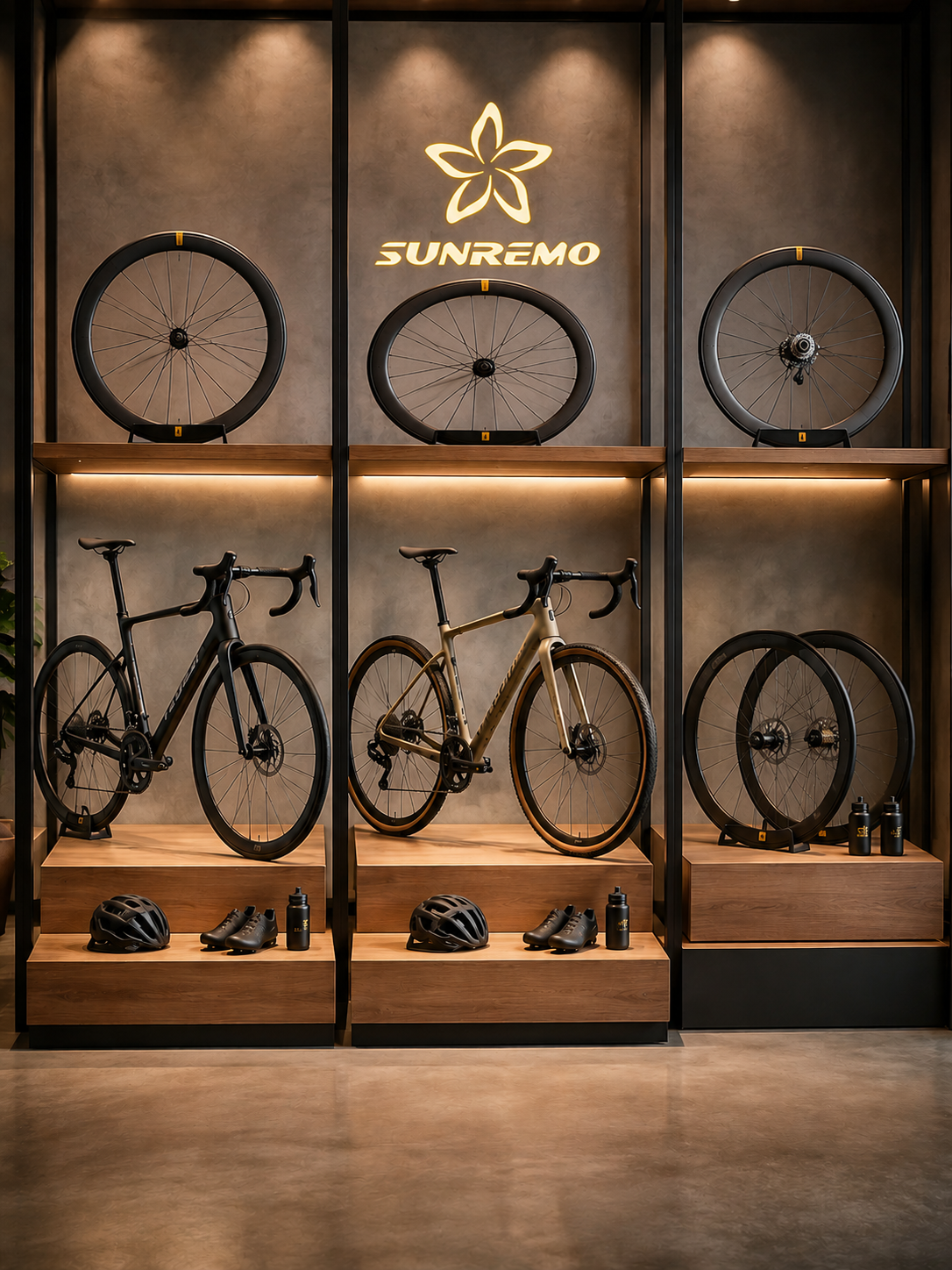
Bike shops can bundle carbon wheelsets with road and gravel bikes by treating wheels as part of a clear upgrade path, not as a generic add-on. A good wheelset bundle should match the rider’s terrain, handling confidence, tire choice, service expectations and budget. Dealers should avoid overselling rim depth or unsupported compatibility claims. For B2B planning, wheelsets can improve product line depth, support good-better-best pricing and create a natural upgrade conversation after the customer chooses a bike or frameset.
Wheelsets are one of the easiest performance upgrades for customers to understand visually. They also help dealers create stronger product tiers without adding too many bike models.
This article supports the carbon bike product line planning guide by showing how wheelsets can strengthen a road or gravel range. For product next steps, use Sunremo’s road wheels and gravel wheels categories.
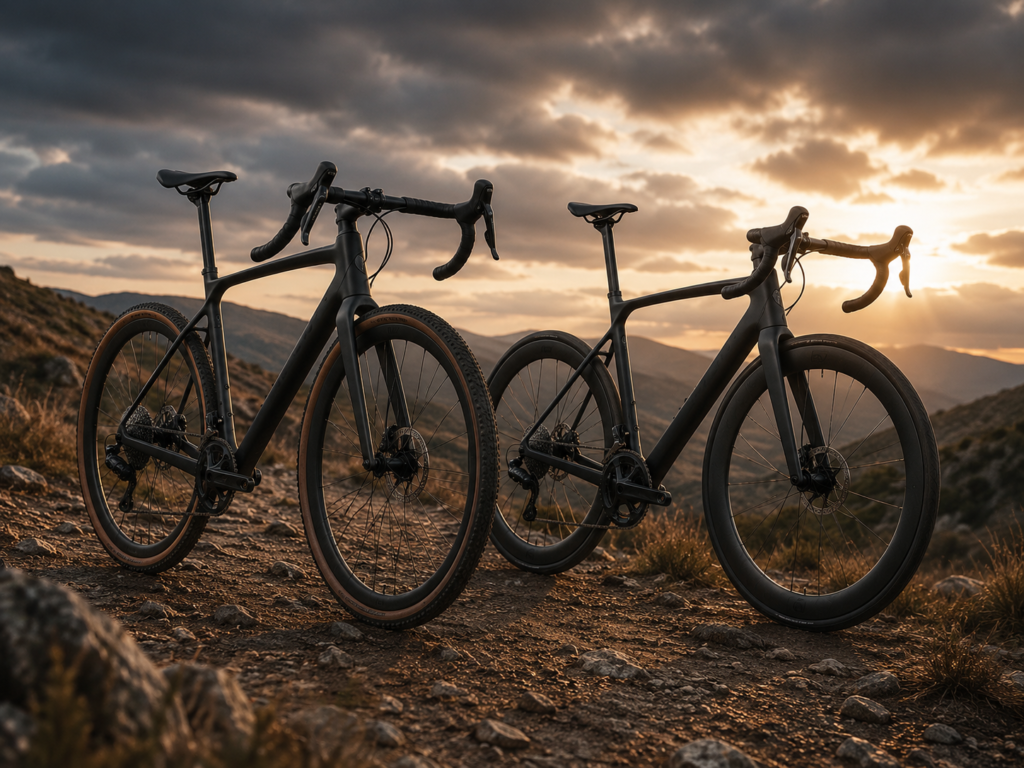
This strategy works for customers who like a complete bike but want a premium option.
“Start with the complete bike package, then choose the wheel option that matches your terrain and ride style.”
Do not claim a specific speed improvement unless supported by valid testing and approved copy.
This strategy works for custom-build customers and private-label projects.
“Choose the frame platform first, then select wheels based on terrain, tire choice and handling preference.”
Relevant internal links include road bike frames and gravel bike frames.
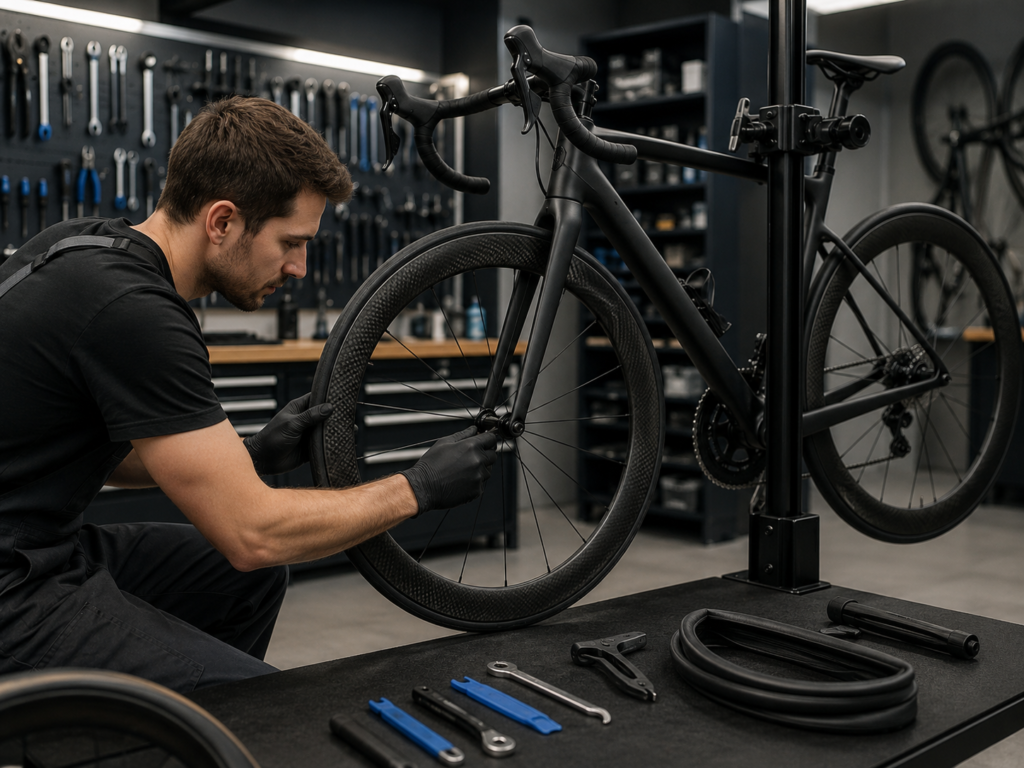
Dealers can also use wheelsets to structure price tiers.
| Tier | Wheelset Role | Sales Conversation |
|---|---|---|
| Good | Reliable standard setup | For riders entering carbon bikes |
| Better | Practical upgrade | For riders who want noticeable refinement |
| Best | Premium positioning | For riders building a high-end package |
The tier should be based on documented wheel specifications and actual buyer needs, not vague premium language.
Flat roads, rolling routes, windy areas and climbing routes may lead to different wheel conversations.
Some riders prefer stable handling over deeper rim appearance. Dealers should ask how and where the rider actually rides.
Wheel conversations should include tire width, pressure and compatibility. Confirm product documentation before publishing compatibility claims.
Hardpack, loose gravel, mixed road and adventure routes may require different tire and wheel planning.
Dealers should explain that wheel choice depends on intended use. Avoid broad durability claims unless backed by product documentation.
For B2B buyers, wheelset bundles should include support questions: replacement parts, service process and documentation. Link support-sensitive buyers to bicycle quality control and B2B bicycle manufacturing.
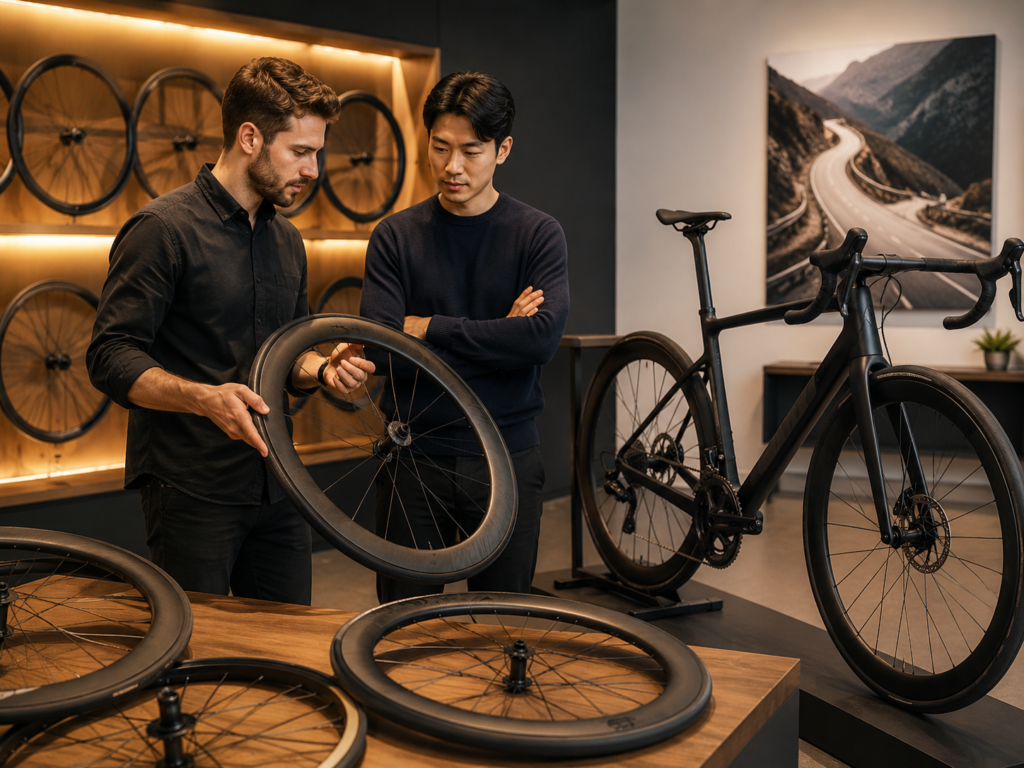
Yes, if the bundle is easy to explain and matched to real customer needs. It should not feel like a forced upsell.
No. Rim depth should be discussed in relation to terrain, wind, rider confidence, tire choice and intended use.
Yes. Wheelsets can support good-better-best packages without requiring too many separate bike models.
Usually yes. Gravel wheel conversations should consider surface type, tire choice, handling and service expectations.
Dealers should verify rim dimensions, tire compatibility, brake interface, axle standards and any stated limitations using current product documentation.
Build a wheelset bundle around Sunremo road wheels or gravel wheels, then discuss order structure through bicycle pricing and MOQ.