Subscribe now & get exclusive bike deals,
new arrivals alerts and pro riding tips!
Cycle green, stay fit, live better.

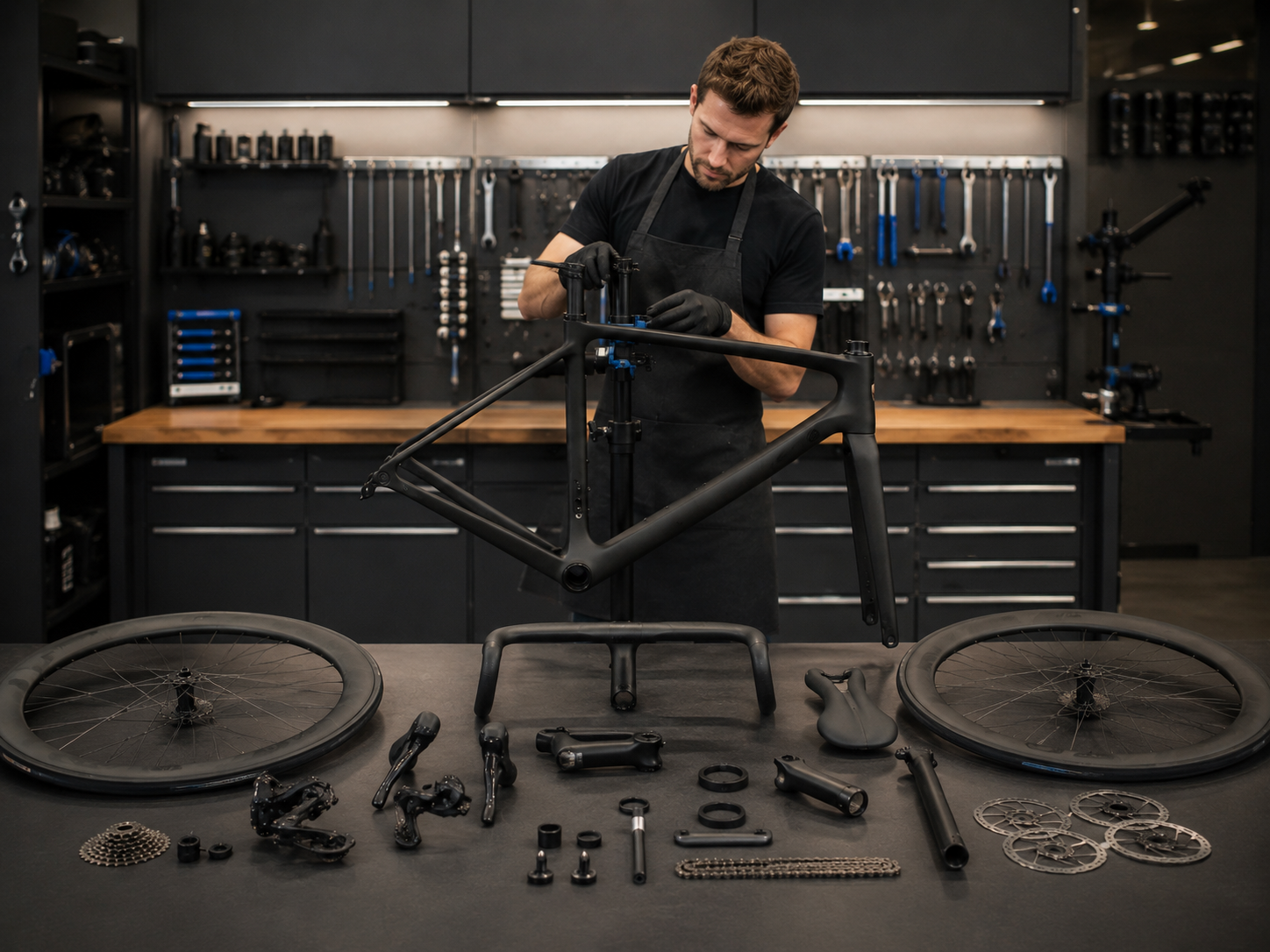
Dealers should choose framesets, complete carbon bikes or both based on customer skill level, service capability, price positioning and brand strategy. Complete bikes are easier to sell to customers who want a ready-to-ride package and clear pricing. Framesets are better for custom builds, experienced riders, private-label projects and shops with strong assembly capability. Many B2B buyers should plan both options, using complete bikes for retail clarity and framesets for customization, upgrades and brand differentiation.
The frameset versus complete bike decision affects sales, service, inventory, training and after-sales support. It also affects how customers understand value. Some buyers want a finished bike they can compare immediately. Others want control over wheels, drivetrain, cockpit and finishing kit.
This article links back to the broader carbon bike product line planning guide and should be used as a commercial decision guide, not a replacement for model specifications.
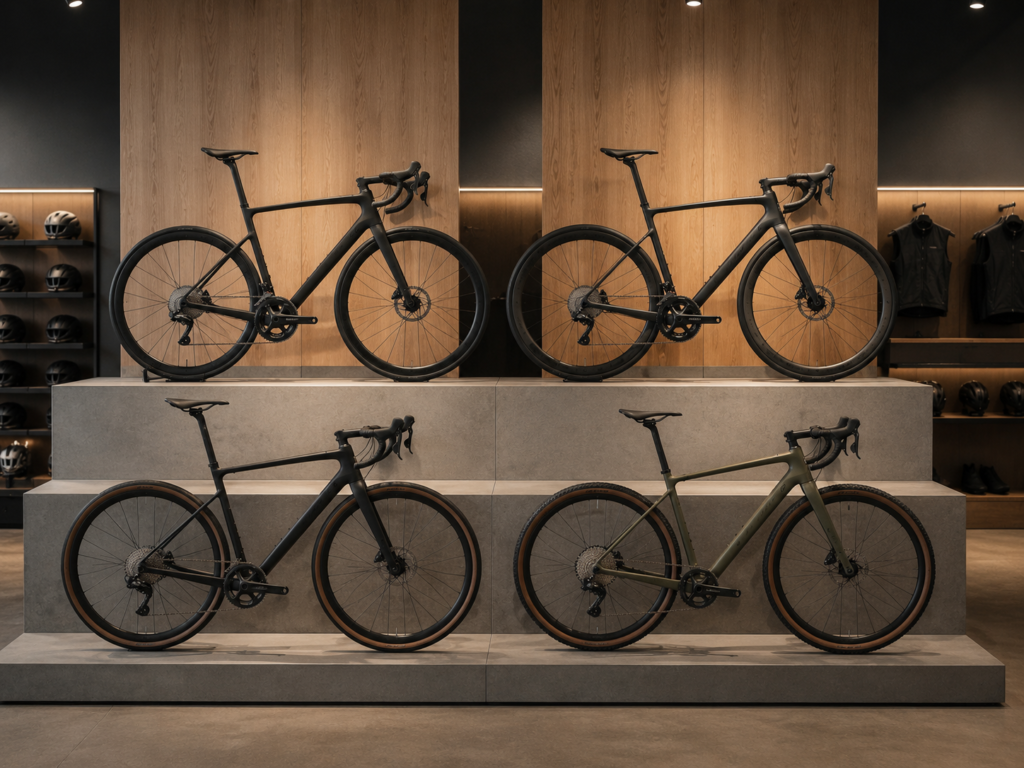
Complete bikes are easier for many retail buyers to understand. The customer sees the full build, price tier and intended use without needing to make every component decision.
For busy shops, complete bikes simplify staff training. Sales teams can explain the use case, fit range, component level and upgrade path in a more structured way.
Distributors often need products that downstream dealers can present quickly. Complete bikes can reduce the need for each dealer to create their own build specification.
Framesets work well for experienced riders who already know their preferred wheels, drivetrain or cockpit setup.
A frameset strategy requires a shop to manage compatibility, assembly, fit and final quality checks. Shops with strong mechanics can turn this into a selling advantage.
Framesets can help private-label brands test positioning before launching full complete-bike packages. They also support custom component selection through OEM/ODM service.
| Decision Factor | Complete Bike | Frameset |
|---|---|---|
| Customer simplicity | Strong | Moderate |
| Customization | Limited by build | Strong |
| Dealer assembly workload | Lower | Higher |
| Price clarity | Strong | Depends on build |
| Private-label flexibility | Moderate | Strong |
| Service training | Easier to standardize | Requires more technical control |
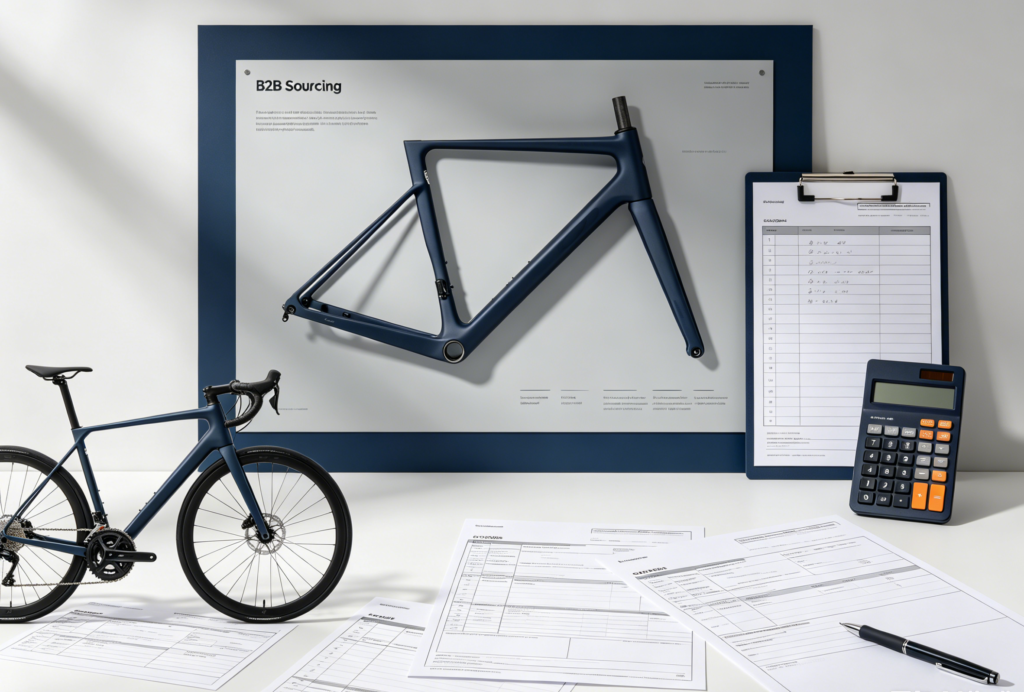
Dealers can carry both complete bikes and framesets if each has a clear job.
Relevant category links include road bikes, gravel bikes, road bike frames and gravel bike frames.
Use Sunremo’s bicycle pricing and MOQ page for commercial next steps.
Framesets are not automatically better. They are better for custom builds, experienced customers and shops with strong assembly capability. Complete bikes are often better for clear retail selling.
Many new dealers should start with a focused complete-bike range and add framesets if their customers request customization or if the shop can support assembly confidently.
Yes. Framesets can help private-label brands test market positioning and build custom product specifications before scaling into complete bikes.
The biggest risk is unsupported compatibility or assembly assumptions. Dealers should confirm specifications and document build choices before selling.
Yes. Wheel upgrades can give complete-bike customers a premium path while allowing frameset customers to build a more customized setup.
Compare Sunremo’s road bike frames and gravel bike frames, or discuss complete-bike planning through the B2B survey.