Subscribe now & get exclusive bike deals,
new arrivals alerts and pro riding tips!
Cycle green, stay fit, live better.

Carbon bike product line planning is the process of choosing the right mix of road bikes, gravel bikes, framesets, complete bikes, wheelsets and components for a specific B2B market. For bike shops and distributors, a strong product line should match local rider demand, price tiers, service capability, sample-order feedback and repeat-order potential. For private-label brands, product line planning should also consider open mold or custom options, branding needs, packaging, documentation, quality control, after-sales expectations and long-term supplier communication.
Many carbon bike buyers begin with a simple question: which model should we buy? For a dealer, distributor or private-label brand, that question is too narrow. The better question is: which product range can we sell, service, explain and reorder with confidence?
A strong carbon bike product line is not only a list of SKUs. It is a commercial system. It connects customer demand, local terrain, price positioning, assembly capability, service expectations and supplier support. When the range is planned well, a bike shop can guide riders from entry-level interest to premium purchases without creating confusion. A distributor can offer a coherent range to local dealers. A private-label brand can launch with fewer mistakes and build toward repeat orders.
This guide is designed as the central hub for Sunremo’s carbon bike product line planning cluster. For broader procurement background, buyers should also review Sunremo’s B2B bicycle buying guide, B2B bicycle manufacturing support and OEM/ODM service.
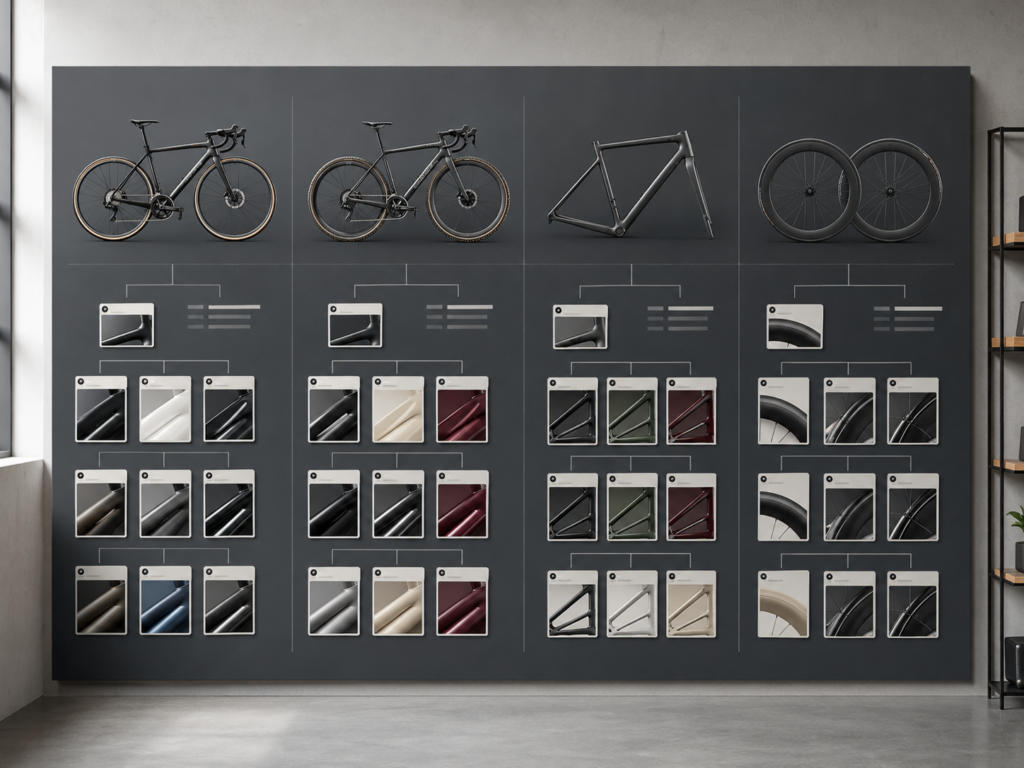
Carbon bike product line planning means selecting a commercially balanced range of bikes, frames, wheels and related components for a defined market.
For bike shops, product line planning usually means choosing models that match real customer conversations. A shop may need a fast road bike for group rides, an endurance road option for comfort, a gravel bike for mixed terrain and wheel upgrades that make sense for local roads.
For distributors, product line planning means building a range that independent dealers can understand quickly. The range should be easy to explain, easy to price and easy to support across repeat orders.
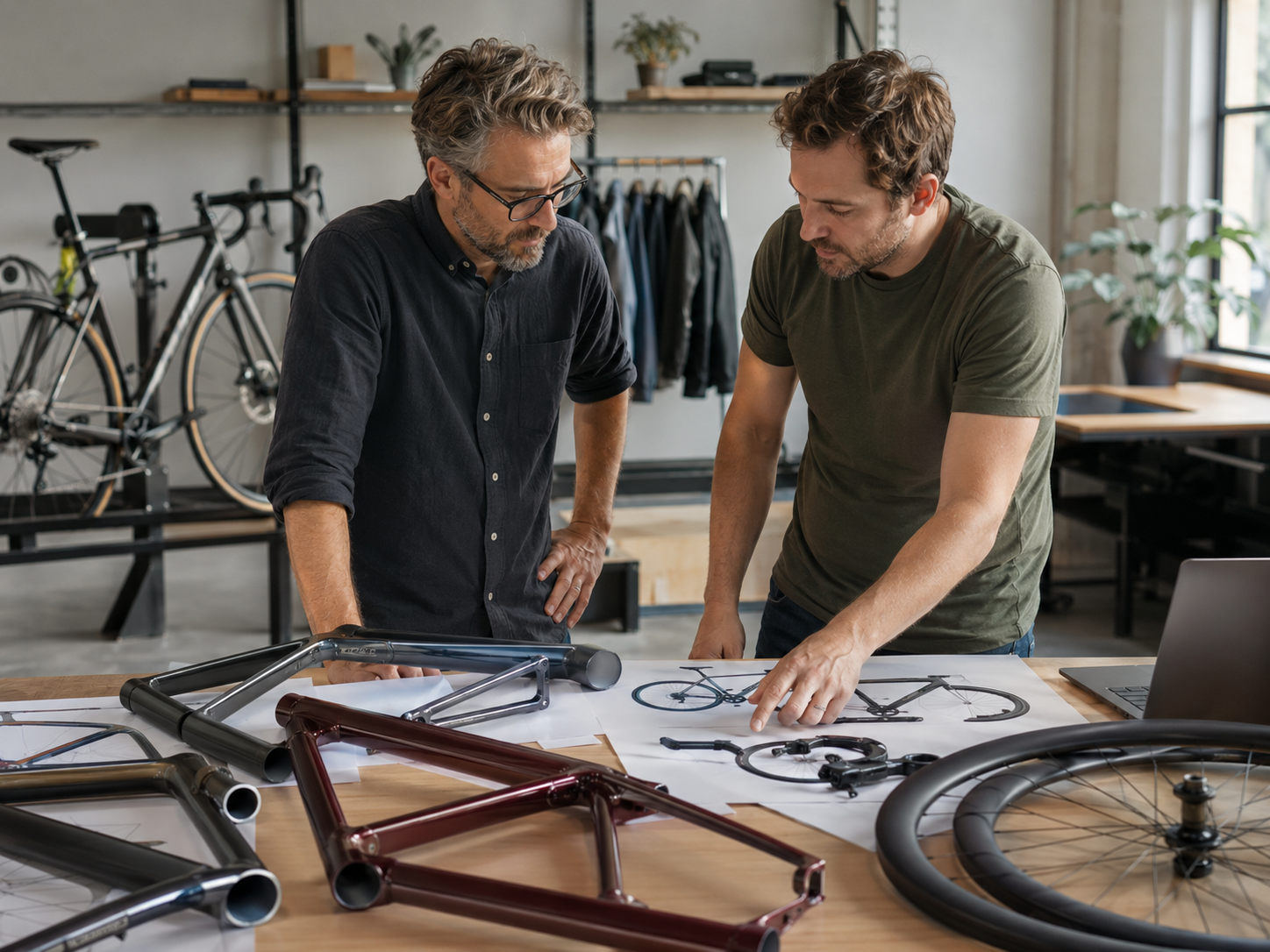
For private-label brands, product line planning means connecting brand positioning with manufacturable products. The lineup may start with one or two core frames, then expand into complete bikes, gravel models, wheelsets or custom options through OEM and ODM support.
Before choosing frame models or wheel depths, define the end buyers that your business serves.
| Segment | Likely Need | Product Line Implication |
|---|---|---|
| Performance road riders | Speed, stiffness, responsive handling | Road bike, road frame, wheel upgrade path |
| Endurance riders | Comfort, fit range, tire clearance | Endurance or all-road positioning |
| Gravel riders | Clearance, stability, durability, mounts | Gravel bike and gravel frame options |
| Upgrade customers | Better wheels, frame upgrade, complete bike comparison | Framesets and wheelsets should be visible |
| Local race teams | Consistent sizing, replacement parts, repeat orders | Range consistency and support matter |
| Private-label customers | Branding, packaging, model differentiation | OEM/ODM and custom option planning |
This buyer-first approach helps avoid a common mistake: selecting attractive products that do not fit the sales conversations your dealers actually have.
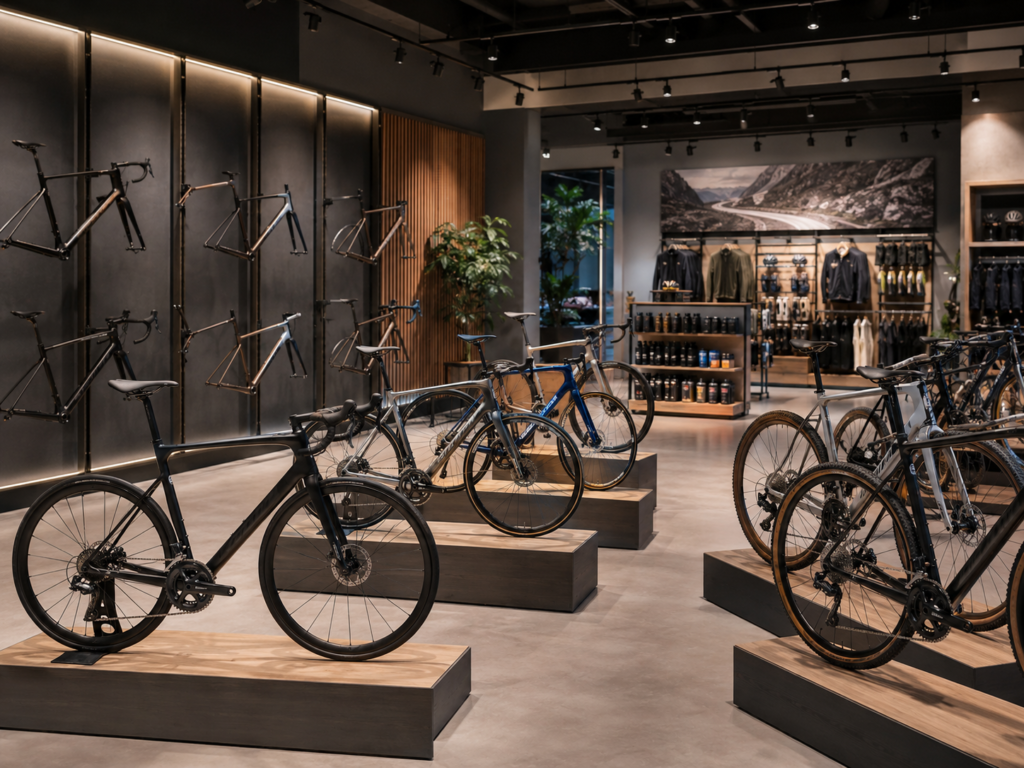
A practical carbon bike range usually includes several product roles rather than many similar models.
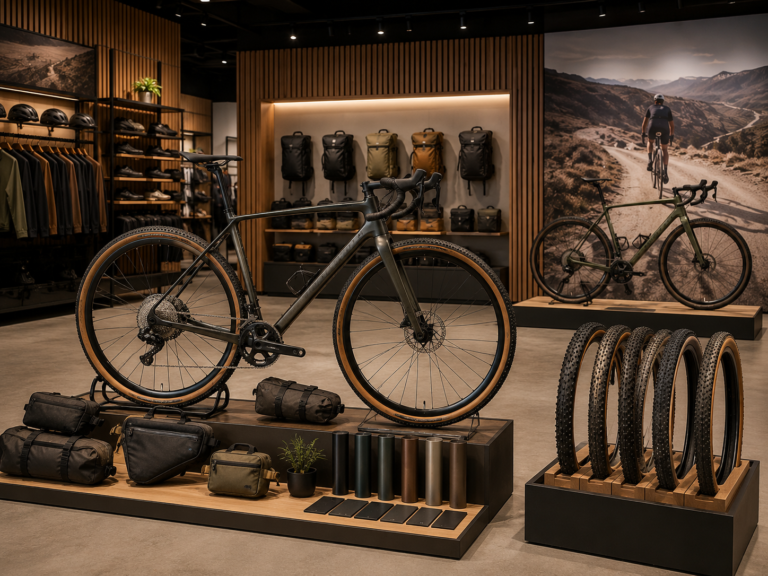
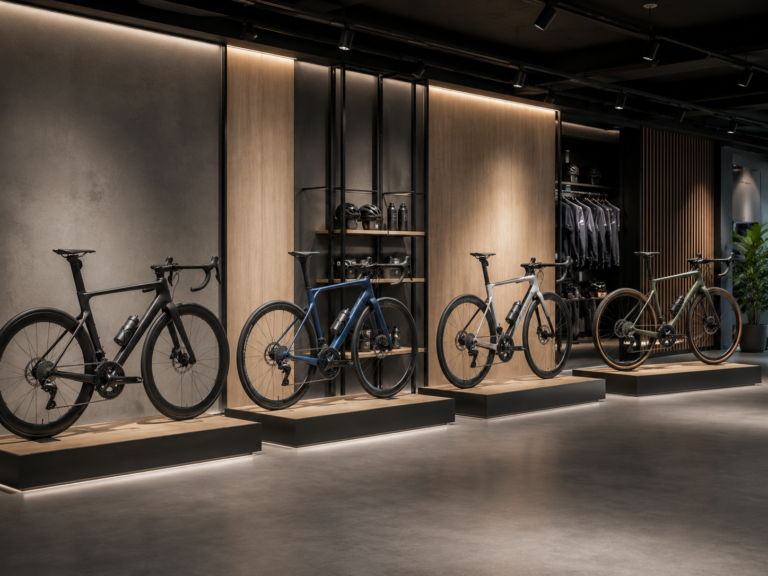
The road range may include aero, lightweight, endurance or all-road options. Dealers do not always need all four immediately. A smaller shop may begin with one versatile road bike and one performance road frameset. A larger distributor may need clearer segmentation. See the dedicated carbon road bike category and road bike frame category for available product directions.
Gravel buyers often compare comfort, tire clearance, stability and mixed-surface use. A dealer range should avoid confusing gravel race bikes, all-road bikes and adventure-oriented bikes. Link the product discussion to the carbon gravel bike category and gravel bike frame category.
Wheelsets can support both complete-bike sales and upgrade revenue. Road shops may need different rim-depth conversations from gravel shops. Keep wheel recommendations tied to terrain, rider profile and documented specifications. Review road carbon wheels and gravel carbon wheels as product-category next steps.
Handlebars and cockpit systems influence fit, service and dealer confidence. For shops that handle assembly or fit changes, link model planning to available handlebar and cockpit options.
Most dealers benefit from a good-better-best structure, but price tiers should not be invented around vague labels. A good tier should be easy for a salesperson to explain.
The good tier should answer practical customer needs: reliable carbon construction, clear sizing, sensible components and a price point that helps the shop introduce carbon bikes to more riders.
The better tier should add meaningful upgrades such as improved wheel choices, more performance-oriented positioning or refined cockpit choices, only when supported by the actual product configuration.
The best tier should serve buyers who want premium performance, stronger differentiation or brand-building value. Avoid unsupported claims about weight, certification or race approval. If those claims matter, verify them through product documentation before publishing.
For pricing and order structure, use Sunremo’s bicycle pricing and MOQ page as the internal next step.
A sample order is not just a small purchase. It is a structured test of product fit, communication, documentation and after-sales readiness.
Quality-sensitive buyers should also review Sunremo’s bicycle quality control page before approving larger orders.
Carbon bike product line planning is the process of choosing a balanced range of road bikes, gravel bikes, framesets, complete bikes, wheelsets and components for a specific market, dealer network or private-label brand.
Many dealers should start with a focused range rather than too many overlapping models. A practical first range may include one road direction, one gravel direction, one frameset strategy and one wheel upgrade path, depending on local demand.
The answer depends on customer behavior and service capability. Complete bikes are easier for many retail buyers to understand, while framesets can work well for custom builds, upgrade customers and private-label programs.
Distributors should map models to dealer conversations: fast road riding, endurance comfort, mixed-surface riding, gravel racing, adventure use and upgrade paths. The goal is a range that dealers can explain without confusion.