Subscribe now & get exclusive bike deals,
new arrivals alerts and pro riding tips!
Cycle green, stay fit, live better.

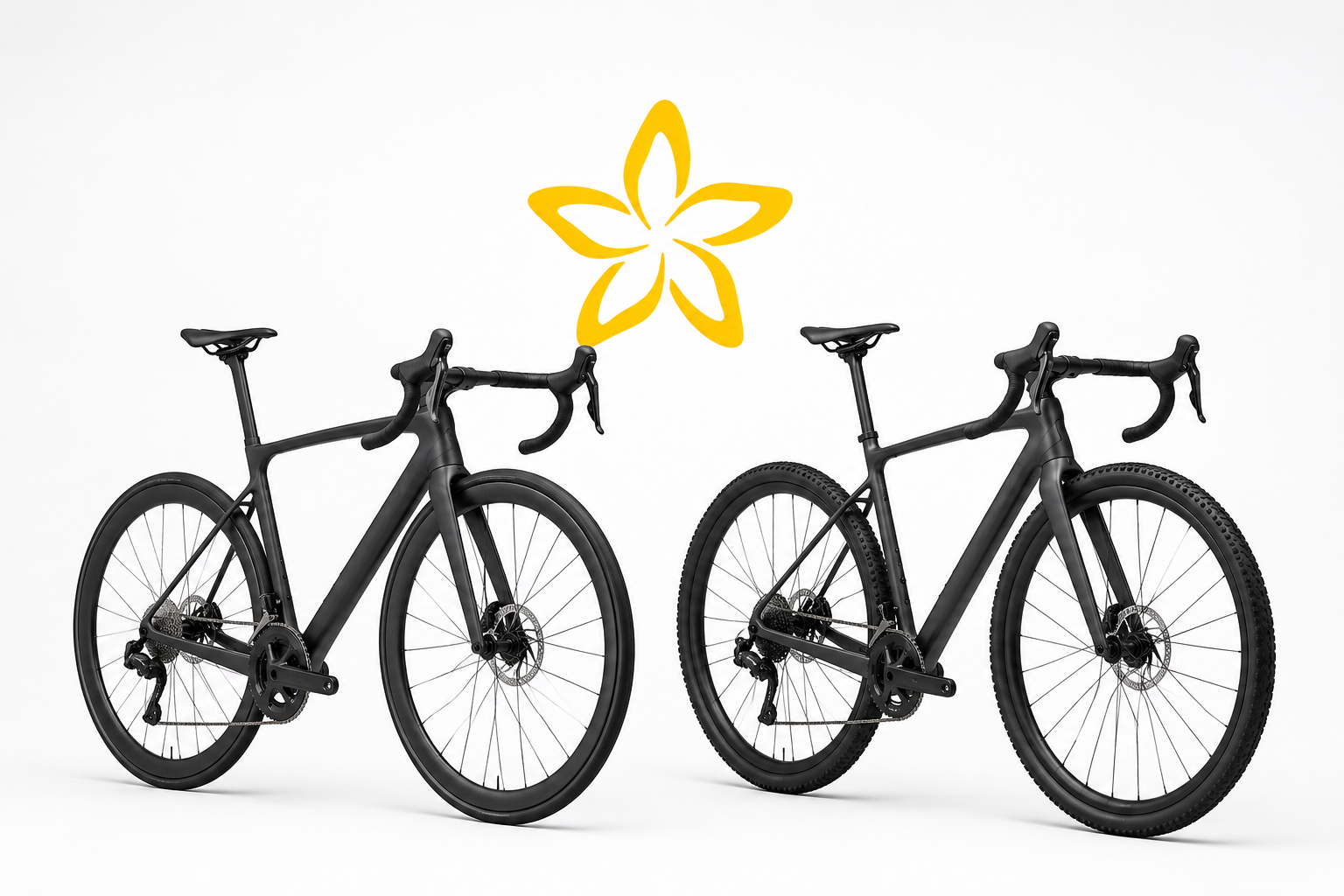
A carbon bike product page should clearly explain who the bike is for, what riding problem it solves, which category it belongs to, what specifications are documented and what the buyer should do next. For SEO and GEO, the page should include a concise answer summary, structured H2 sections, comparison tables, FAQs, accurate internal links and schema-ready information. Dealers and private-label brands should avoid unsupported claims about weight, certification, testing, warranty, capacity or race approval.
A product page is often where B2B planning becomes retail execution. If the page is vague, customers ask more questions and sales teams lose confidence. If the page is clear, it supports search visibility, AI answer extraction and dealer conversion.
This article supports the carbon bike product line planning guide and is especially useful for private-label brands using Sunremo’s OEM/ODM service.
Use a clear H1 that includes the category and product identity.
Example format:
[Model Name] Carbon Road Bike for Fast Road and Group Ride Use
Do not stuff keywords. The H1 should sound like a real product title.
The first paragraph should answer:
Add a short answer block near the top.
Example:
“This carbon gravel bike is designed for riders who want a mixed-surface bike for gravel routes, rough pavement and long weekend rides. Dealers can position it as a versatile option for customers who want more tire confidence than a pure road bike while keeping efficient road handling.”
Only use statements supported by the actual product.
Explain the target rider or buyer. Avoid saying it is for everyone.
Use bullets:
Select only use cases that match the product.
Summarize the frame, build or category. Do not add unsupported material, weight or certification claims.
Explain fit positioning in plain English. Link detailed fit questions to approved geometry charts if available.
Discuss wheel and tire direction carefully. Link road wheel products to road wheels and gravel wheel products to gravel wheels when relevant.
For B2B pages, include notes about dealer positioning, product range role and possible OEM/ODM discussion.
Link to B2B bicycle manufacturing and bicycle OEM custom options when appropriate.
| Field | Content Guidance |
|---|---|
| Category | Road, gravel, frameset, wheelset or complete bike |
| Intended use | Use documented product positioning |
| Frame material | Use approved material language only |
| Sizes | Pull from current product data |
| Wheel compatibility | Confirm from product documentation |
| Tire clearance | Publish only if documented |
| Brake/interface details | Confirm before publishing |
| Included items | Confirm package contents |
| Custom options | Link to OEM/custom page if applicable |
It should include the product category, target rider, use case, documented specifications, images, fit notes, wheel or tire planning, internal links, CTA and FAQ.
It should include a concise answer block, structured headings, tables, definitions and clear FAQ answers that AI systems can extract accurately.
Only if the exact tire clearance is documented for the product. If not, confirm before publishing.
Yes. Private-label brands can adapt the structure for branded product pages, dealer catalogs and launch pages.
Avoid unsupported claims about weight, testing, certification, warranty, factory capacity, inventory or UCI approval.
Need a product page structure for a dealer or private-label launch? Start with Sunremo’s OEM/ODM service or contact Sunremo through the B2B survey.