
Subscribe now & get exclusive bike deals,
new arrivals alerts and pro riding tips!
Cycle green, stay fit, live better.

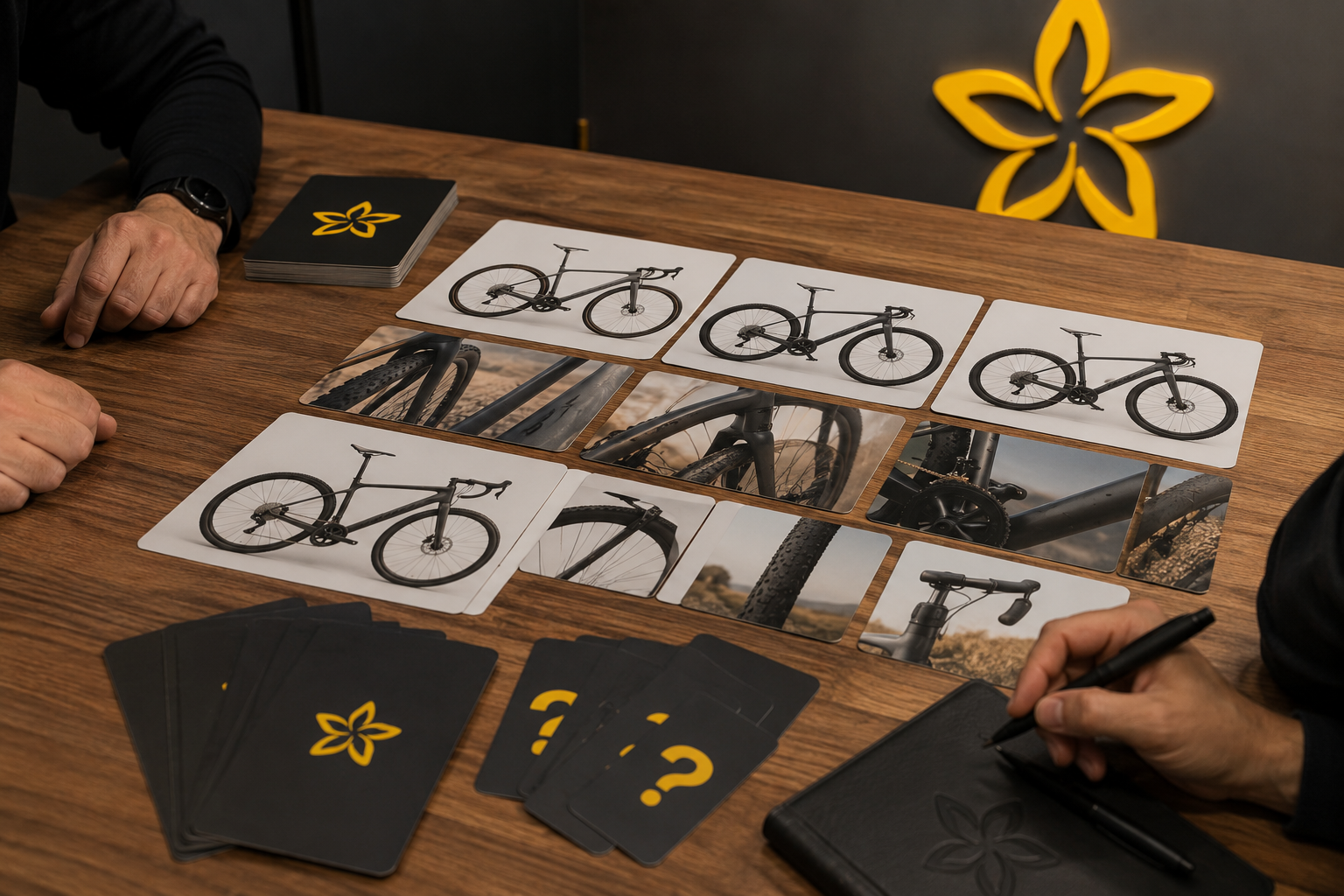
Dealers should prepare for carbon bike sales objections by giving honest, specific and use-case-based answers. Common objections include whether carbon is worth it, whether it is fragile, whether a rider should upgrade wheels first, whether an integrated cockpit is hard to fit, whether gravel bikes are too slow on road and whether complete bikes are better than framesets. The best sales answer does not pressure every rider into a high-end bike. It helps the customer choose the right product, upgrade path or timing.
Carbon bike customers are often excited and cautious at the same time. They may like the appearance and performance story, but worry about value, durability, fit, service or whether they are “good enough” to benefit from the bike.
This article supports the carbon bike product line planning guide by helping dealers turn product planning into better sales conversations.
A carbon bike is worth considering when it solves a real riding need: better fit, lower weight target, improved ride feel, more responsive handling, a stronger upgrade path or a product category that matches the rider’s goals.
Not every rider needs a high-end carbon bike immediately. Sometimes tires, wheels, fit or training may be the better first step.
Carbon bikes should be evaluated through intended use, quality control, correct assembly and after-sales support. Dealers should explain care and inspection honestly instead of making broad claims.
Wheel upgrades can make sense when the rider already likes the frame and fit. A complete bike or frameset may make more sense when the rider needs a different position, category or full performance package.
Link wheel shoppers to road wheels or gravel wheels when relevant.
Integrated cockpit systems can look clean and performance-focused, but fit and service planning matter. Dealers should confirm available options, routing requirements and service workflow before overselling integration.
Link component discussions to handlebar and cockpit options.
It depends on tire choice, terrain, rider expectations and geometry. Some riders need a dedicated road bike. Others may prefer a gravel or all-road bike if local routes include rough pavement and mixed surfaces.
Use internal links to road bikes and gravel bikes for category comparison.
A complete bike is easier when the customer wants a ready package. A frameset is better when the customer wants a custom build and the shop can support compatibility and assembly.
Link to road bike frames and gravel bike frames when discussing custom builds.
The dealer should explain support: product selection, fit guidance, assembly, service, documentation and after-sales communication. Avoid claims that go beyond approved warranty or service terms.
For broader B2B support, link to B2B bicycle manufacturing and bicycle export support.
| Objection | Best Response Style | Avoid |
|---|---|---|
| Is carbon worth it? | Use-case based | Pressuring every rider |
| Is carbon fragile? | Care, QC and inspection | “Indestructible” language |
| Wheels or bike first? | Upgrade path logic | One-size-fits-all advice |
| Integrated cockpit concerns | Fit and service planning | Ignoring maintenance |
| Gravel vs road | Terrain-based comparison | Saying one is always better |
| Frameset vs complete bike | Customer skill and shop capability | Unsupported compatibility claims |
Many customers ask whether a carbon bike is worth the price. Dealers should answer by matching the bike to the rider’s use case, not by making generic performance claims.
Dealers should discuss intended use, care, inspection, correct assembly and quality-control context. Avoid saying carbon is unbreakable.
No. Wheel upgrades should match terrain, rider confidence, tire choice and budget.
They should ask better questions, explain trade-offs and recommend the right timing or upgrade path, even when that means not selling the most expensive option.
Yes. It can be adapted into a sales training sheet for bike shop staff and distributor dealer networks.


