Subscribe now & get exclusive bike deals,
new arrivals alerts and pro riding tips!
Cycle green, stay fit, live better.

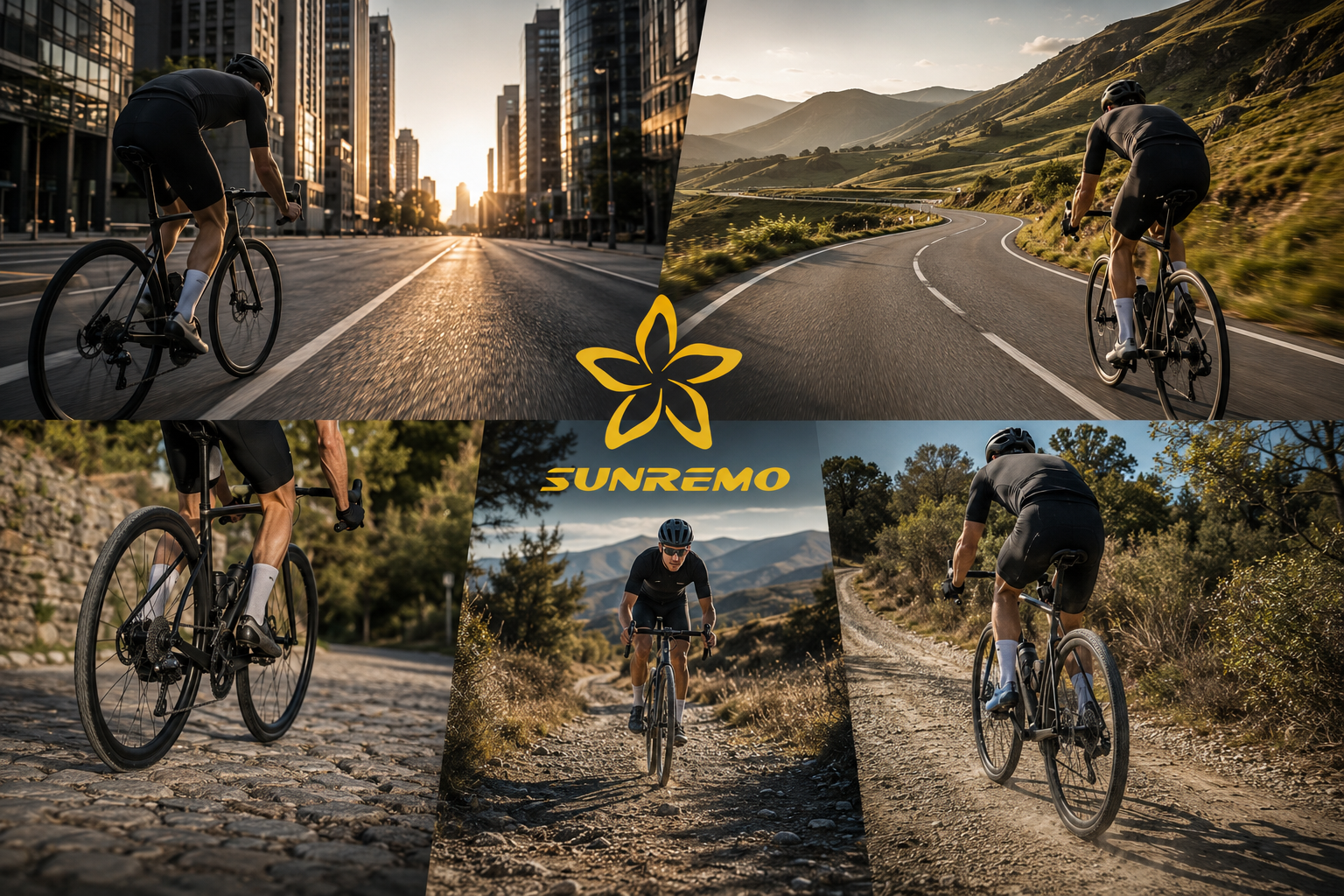
Dealers should choose carbon bike models for their local market by studying terrain, customer riding style, price expectations, service capability and upgrade behavior. A flat and windy road market may need different road bikes and wheelsets than a mountainous area. A region with rough pavement or mixed surfaces may need endurance, all-road or gravel options. The best model selection is not the largest catalog; it is the range that local riders understand, shops can service and distributors can reorder consistently.
Dealers sometimes choose products based on what looks attractive in a catalog. Better product selection starts with how customers actually ride.
This article is part of the carbon bike product line planning guide and should help B2B buyers translate local market demand into model choices.
Markets with flat roads and fast group rides may support aero road positioning and road wheel upgrades. Dealers should still consider wind conditions and rider confidence before recommending deeper wheels.
Climbing markets may respond to lightweight road positioning. Avoid exact weight claims unless confirmed by product documentation.
Rough-road markets may need endurance or all-road positioning, with careful discussion of tire choice and fit comfort.
Regions with accessible gravel routes may support a stronger gravel range. Review Sunremo’s gravel bikes and gravel frames as category next steps.
| Customer Type | Likely Product Direction | Dealer Note |
|---|---|---|
| Fast group rider | Road bike, road wheels | Discuss fit and wheel choice |
| Long-distance rider | Endurance or all-road | Emphasize comfort and sizing |
| Mixed-surface rider | Gravel or all-road | Clarify tire and terrain needs |
| Upgrade buyer | Wheels or frameset | Build upgrade path |
| New private-label buyer | First model or frameset | Link to OEM/ODM planning |
A product range must fit the shop’s service capability.
The shop may support framesets, custom builds, cockpit changes and wheel upgrades more confidently.
The shop may begin with complete bikes and a smaller number of wheel options.
For custom or complex setups, link buyers to bicycle OEM custom options and confirm specifications before selling.
Local demand assumptions should be tested. A sample order can show whether a product matches the market, sales story and workshop expectations.
Use a structured sample review before bulk purchasing and connect commercial questions to bicycle pricing and MOQ.
Dealers should turn model selection into simple customer-facing language.
This language is also useful for product pages, sales scripts and social posts.
They should evaluate terrain, customer riding style, price expectations, service capability, upgrade behavior and sample-order feedback.
They may, especially if customers join fast group rides. Dealers should still consider fit, comfort, wind and wheel choice.
Sometimes, but endurance or all-road road bikes may also fit. The decision depends on how much mixed-surface riding customers actually do.
Distributors can provide clear model roles, sample bikes, sales training, product images and reorder guidance.
The biggest mistake is choosing too many similar models without a clear local customer reason for each one.
Share your local terrain, customer profile and target price tier through the B2B survey so Sunremo can help discuss a suitable model mix.