Subscribe now & get exclusive bike deals,
new arrivals alerts and pro riding tips!
Cycle green, stay fit, live better.

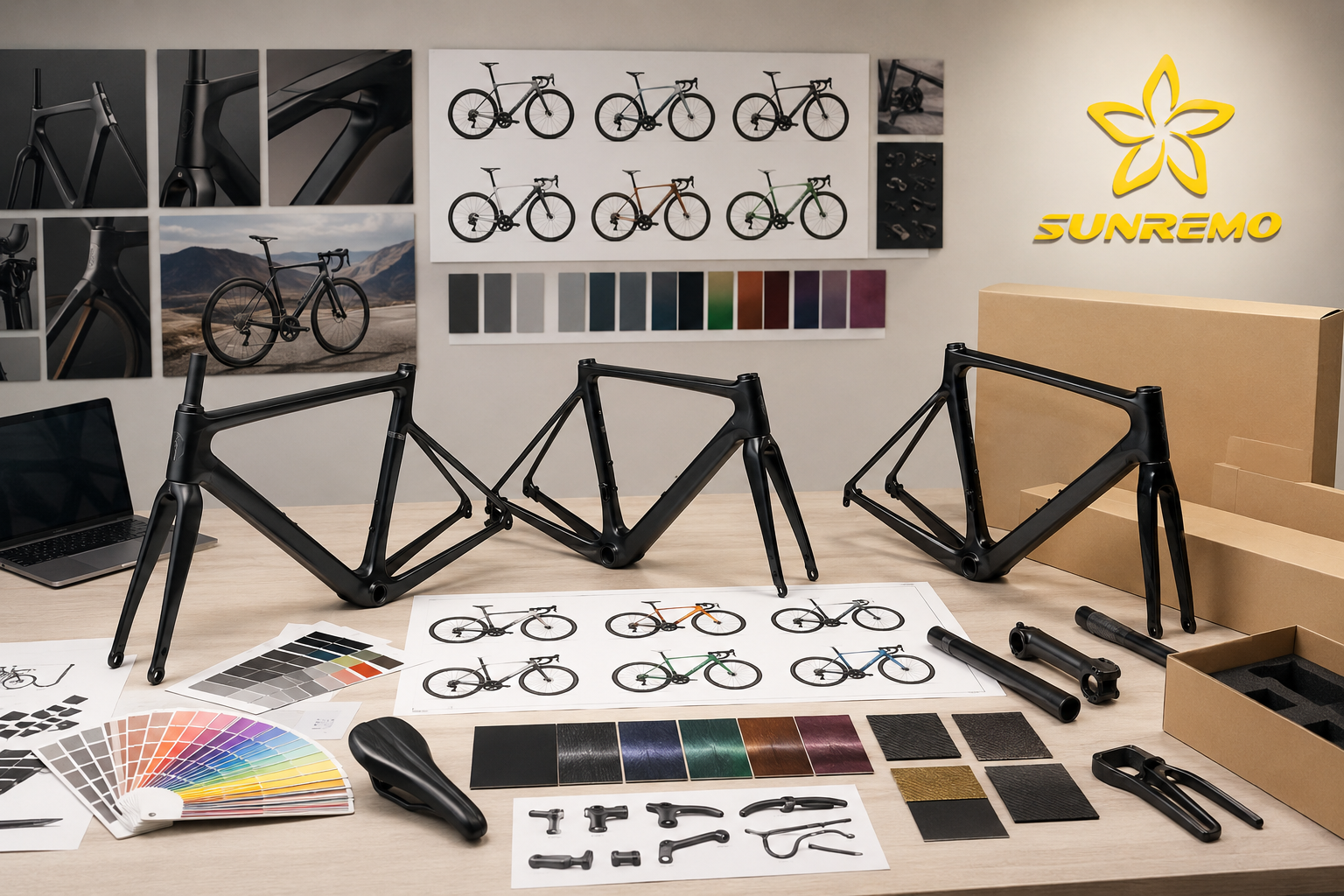
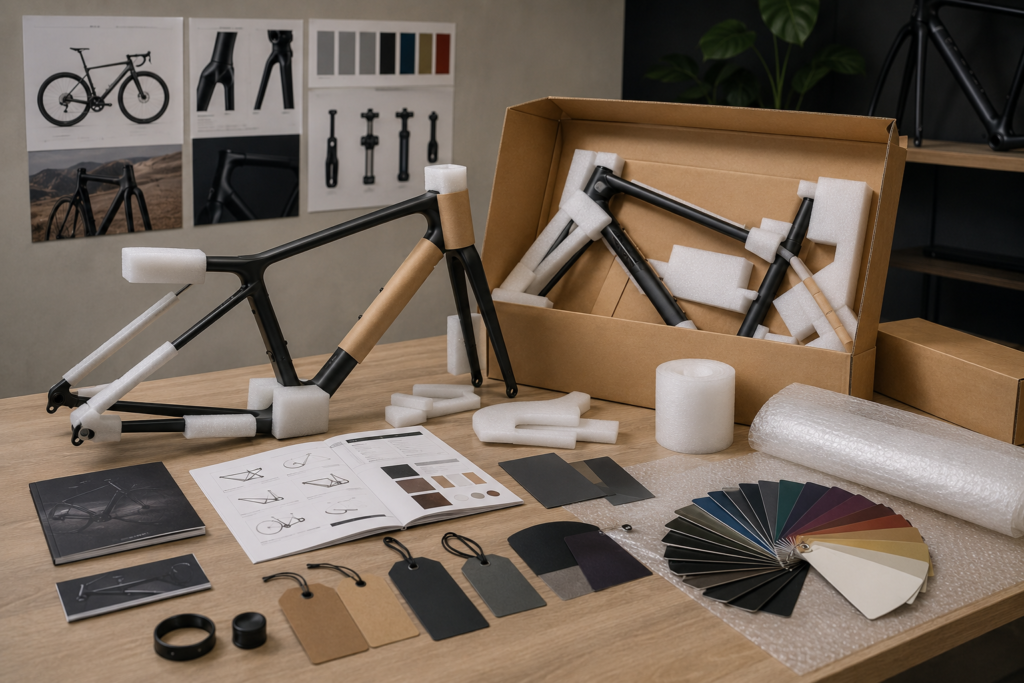
Private-label carbon bike range planning should start with one commercially clear model, not a large unfocused catalog. A new brand should define its target rider, price tier, product category, branding needs, sample process and service expectations before expanding. After the first model is validated, the range can grow into road, gravel, framesets, complete bikes, wheelsets or custom options. OEM/ODM planning should connect product design, packaging, documentation, quality control and repeat-order support.
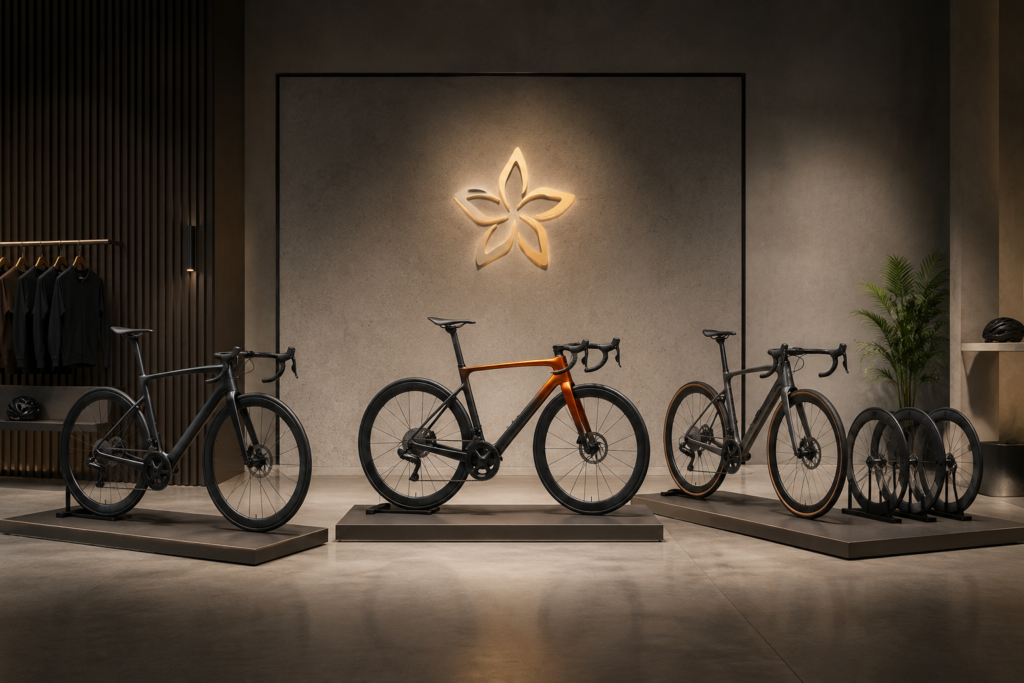
Many new bicycle brands want to launch with a full range immediately. That can create too much complexity before the market has confirmed demand. A narrow first range is easier to explain, easier to photograph, easier to support and easier to reorder.
This article supports the broader carbon bike product line planning guide and connects it to Sunremo’s OEM/ODM service and bicycle OEM custom options.
Before choosing a frame, define the buyer.
If the first customer is unclear, the first product will usually be unclear too.
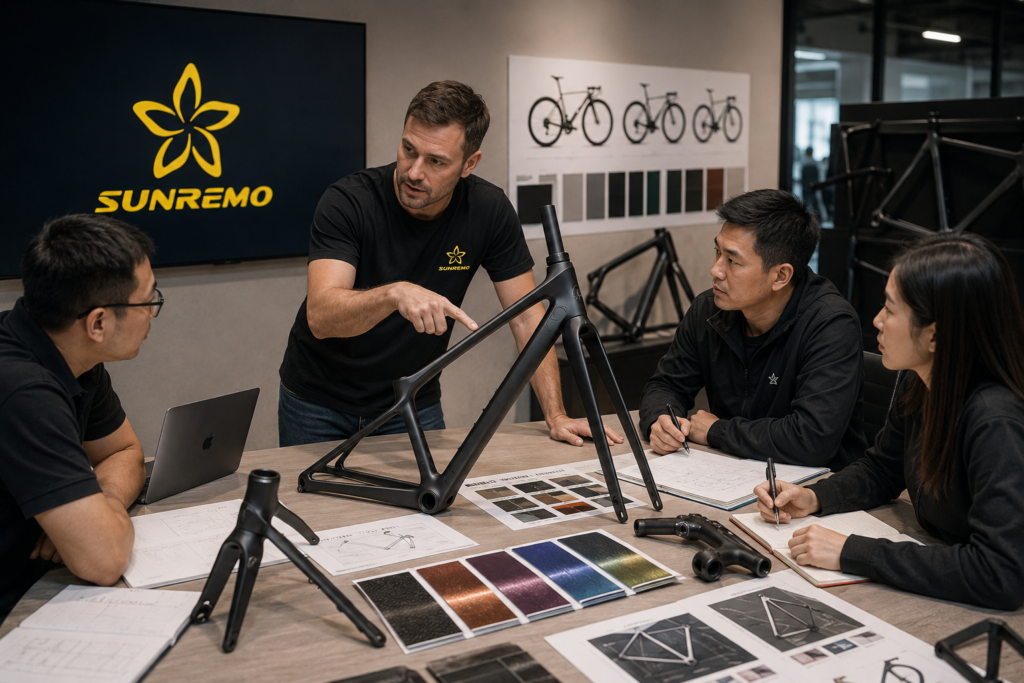
A road bike can work for brands targeting group rides, racing-inspired customers, endurance riders or premium road upgrades. Use Sunremo’s road bike category and road frame category as category references.
A gravel bike can work for brands positioned around versatility, mixed surfaces or adventure. Use the gravel bike category and gravel frame category as internal next steps.
A frameset is often useful for private-label brands that want a lower-complexity launch or a custom-build audience. It still requires clear compatibility documentation and service planning.
Wheelsets can support an accessory-first strategy or pair with a future frame range. Link wheel planning to road wheels and gravel wheels.
Private-label differentiation should not rely on unverified claims. Avoid stating exact weights, certifications, lab results, factory capacity, warranty terms or race approval unless documentation supports them.
| Stage | Product Focus | Business Goal |
|---|---|---|
| Stage 1 | One hero model | Validate demand and content positioning |
| Stage 2 | Frameset or complete-bike variation | Serve different buyer preferences |
| Stage 3 | Wheelset bundle | Add upgrade path and margin opportunity |
| Stage 4 | Second category | Add road or gravel expansion |
| Stage 5 | Dealer support package | Prepare for distributor or retailer growth |
Private-label brands need more than product images. They need sales content.
For product-page structure, use the dedicated article in this cluster: Carbon Bike Product Page Template for Dealers and Private Labels.
It is the process of planning a carbon bike lineup under a buyer’s own brand, including model choice, positioning, branding, packaging, documentation, sample orders and future expansion.
Usually not. A focused first model is easier to validate, market and support. Expansion should follow customer feedback and reorder confidence.
It can be, especially for custom-build audiences or brands that want lower initial complexity than complete bikes. Compatibility and documentation still need careful review.
OEM/ODM support can help with model selection, customization, branding, packaging and product development decisions, depending on the approved project scope.
They should avoid unsupported claims about weight, certification, test results, UCI approval, warranty, capacity or inventory.
To plan a private-label carbon bike range, review Sunremo’s OEM/ODM service and submit your brand goals through the B2B survey.