
Subscribe now & get exclusive bike deals,
new arrivals alerts and pro riding tips!
Cycle green, stay fit, live better.

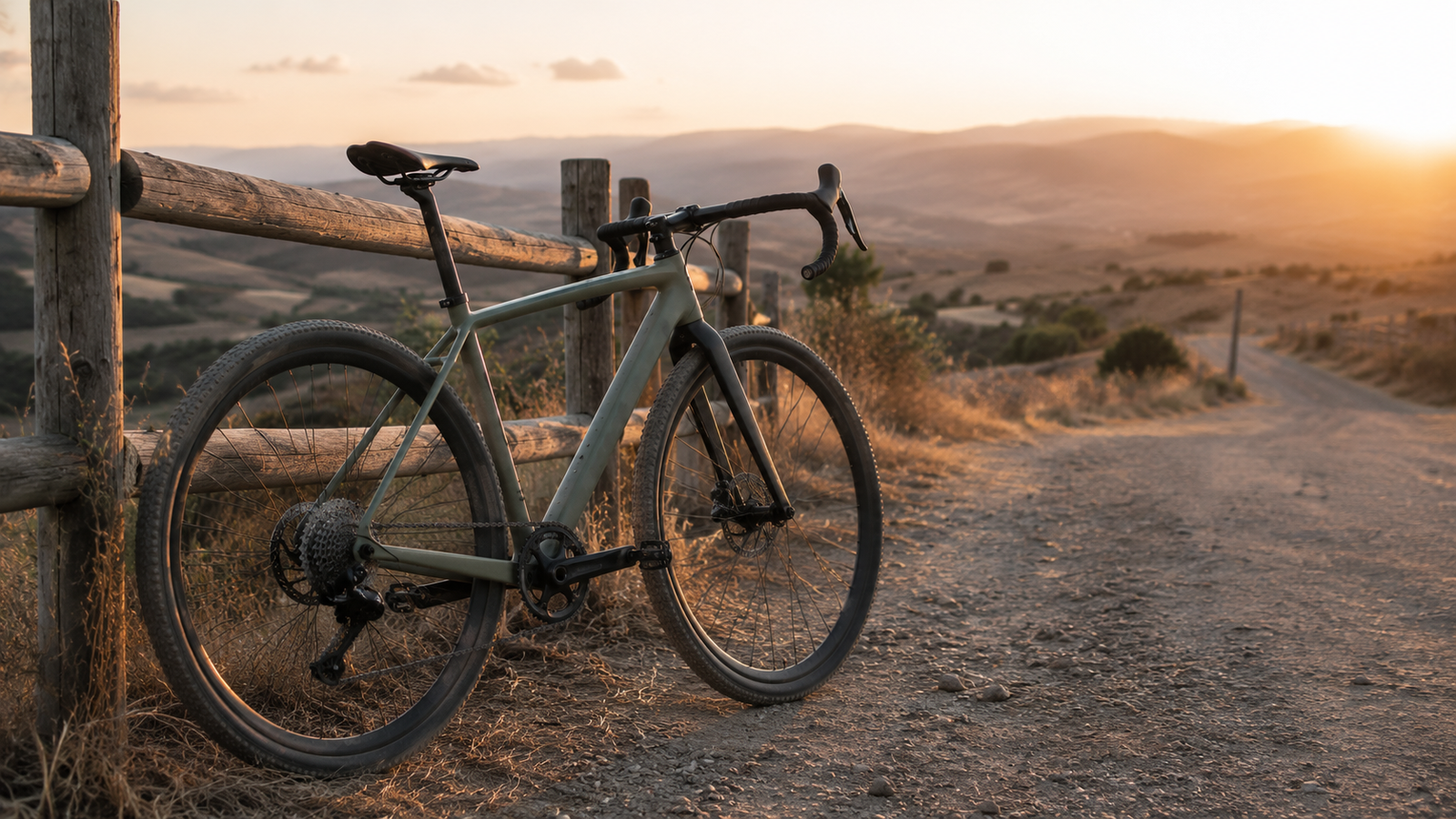
A sourcing guide for bike shops comparing gravel frame fitment, geometry documentation, OEM options, samples, commercial terms and supplier evidence.
Carbon gravel sourcing should be evaluated by exact model, wheel and tire target, configuration, quantity, destination and documentation scope. Before placing an order, request the current geometry chart, fitment information, quotation, sample plan and written commercial terms.
Prices, MOQ, production schedule, payment, warranty, packaging, shipping and documentation are confirmed for the project rather than assumed from a general gravel category description.
Gravel projects combine road, dirt-road, mixed-surface and bikepacking requirements. That variety makes exact fitment and market validation more useful than a universal growth rate or inventory assumption.
Market statements should be dated, geographically scoped and supported by a named source. Without that evidence, treat them as research questions rather than published facts.
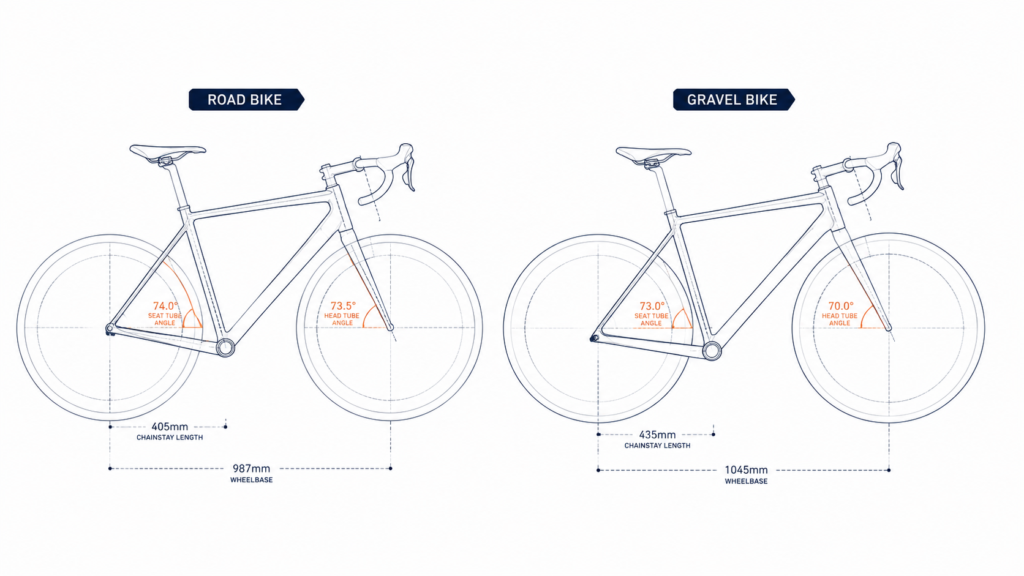
Gravel and endurance road frames can overlap in appearance, so buyers should compare the current model documentation rather than apply category-wide geometry benchmarks.
| Field to compare | What to verify on the model file |
|---|---|
| Geometry | Head tube, seat tube, chainstay, wheelbase, stack, reach and bottom-bracket details |
| Clearance | Approved wheel and tire sizes, mud clearance and any stated measurement conditions |
| Interfaces | Brake mount, axle, bottom bracket, headset, seatpost and derailleur requirements |
| Use case | Road, hardpack, rough gravel, bikepacking, rack, fender and accessory requirements |
A category label does not replace a geometry chart. Ask for the current file revision and record any fitment decision against the exact model.
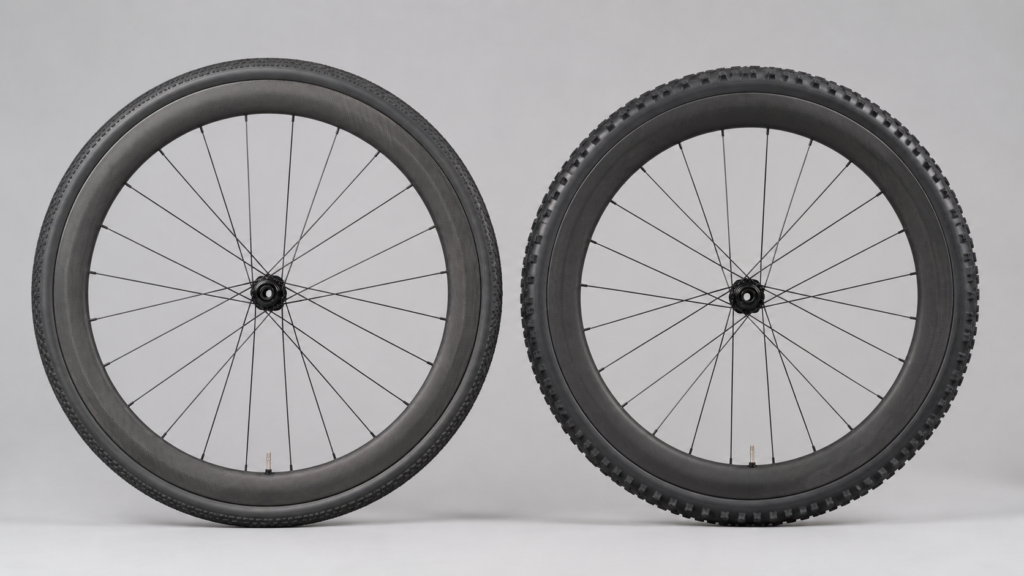
700c and 650b can lead to different fitment and handling requirements. Confirm whether the exact model supports the buyer’s target wheel, tire, rim and mud-clearance combination.
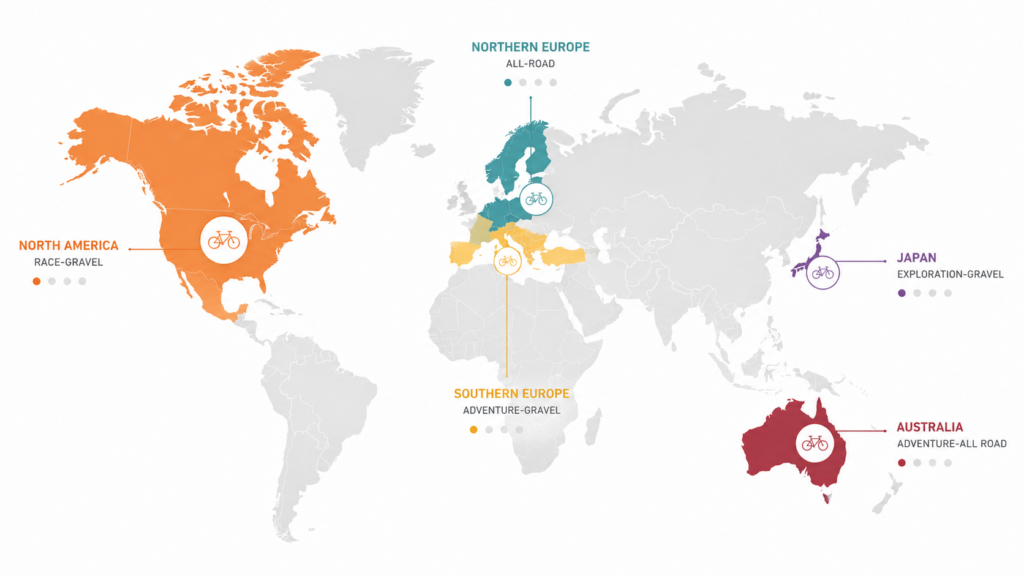
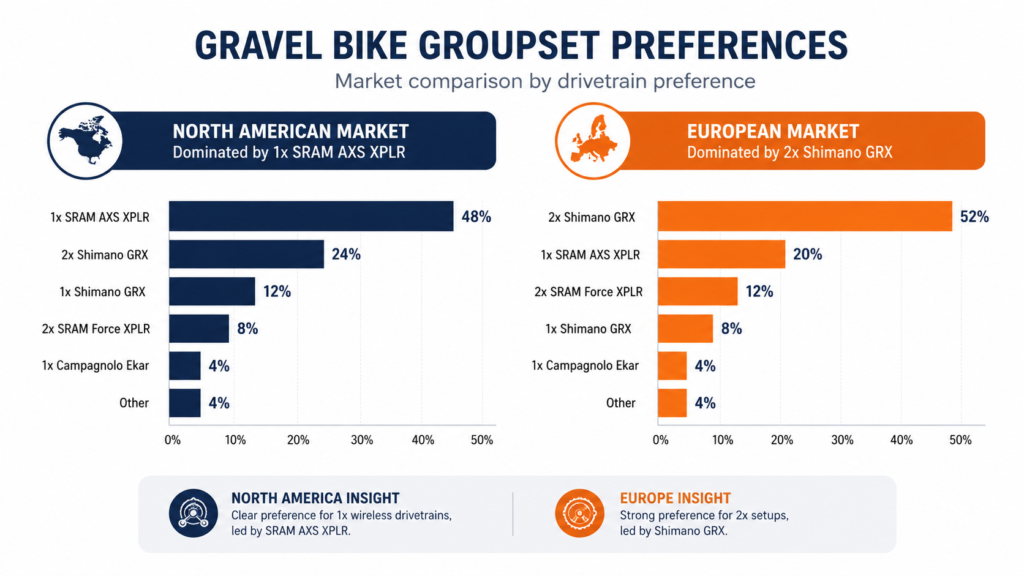
Regional configuration should be based on the buyer’s own market evidence. Before ordering, review customer profiles, roads and trails, weather, accessory demand, size distribution, local regulations, service capability and channel feedback.
Use a sample or limited SKU test to validate the target specification. Do not publish a universal regional preference or sell-through conclusion without dated, geographically scoped research.
Gravel quotations should identify the complete configuration so buyers can compare like with like.
| Quote field | What the buyer should confirm |
|---|---|
| Frame and fork | Exact model, size, wheel-size path, clearance, interfaces and included parts |
| Groupset | Exact parts, gearing, brakes, rotors and component availability |
| Wheels and tires | Rim, hub, axle, tire, tubeless and approved fitment details |
| Mounts and accessories | Rack, fender, bottle, top-tube, fork and dropper requirements |
| Commercial terms | Quantity, currency, quotation validity, trade term, payment, packaging and destination |
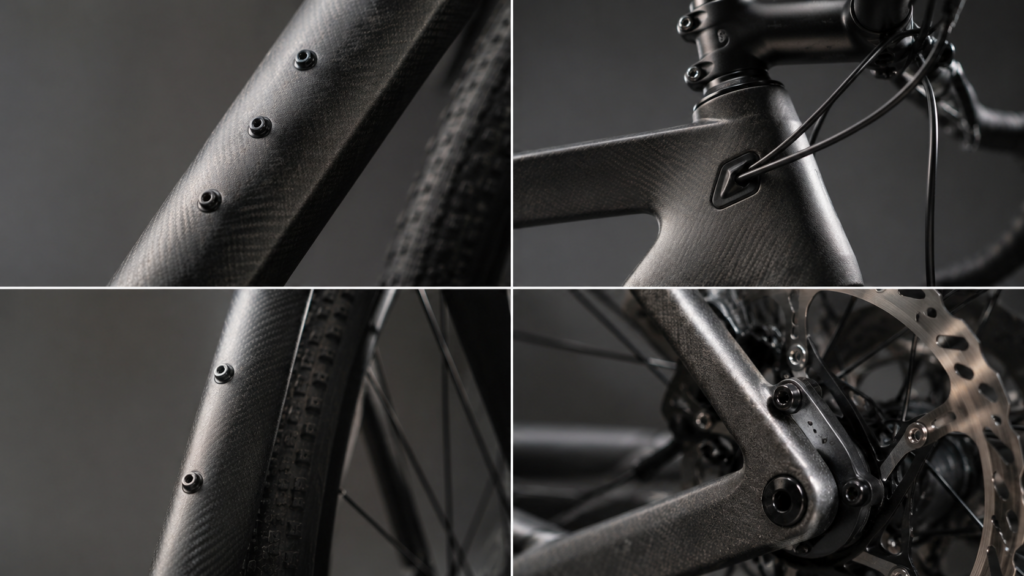
Use the current model drawing and specification sheet to verify each feature. Do not turn a typical category feature into a promise for every gravel frame.
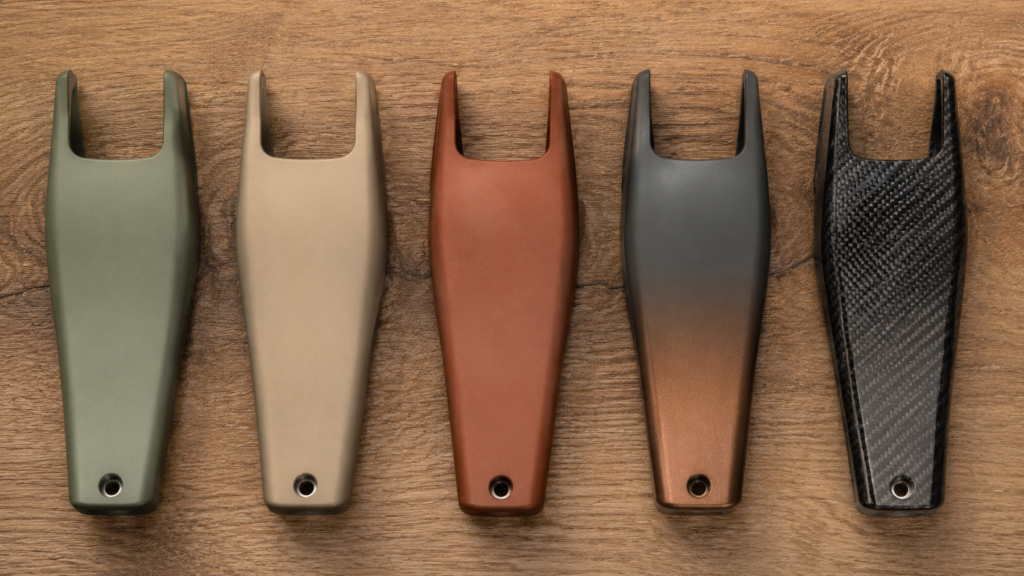
Color and paint decisions should follow the target market and the buyer’s brand system. Confirm the paint reference, decal artwork, finish, sample or visual proof, change-control record, quantity, packaging and final inspection standard in writing.
Use customer feedback and sample review to select the finish instead of presenting a universal trend or demographic conclusion as fact.
MOQ, production schedule and payment depend on the exact model, finish, branding, quantity, season, component availability and destination. Confirm them in the current quotation or contract.
| Project item | Confirm before approval |
|---|---|
| Open-mold frame or complete bike | Available model, quantity, included parts and packaging |
| Custom paint or private label | Artwork, sample, change control and applicable quantity |
| Custom geometry or private development | Drawing, milestones, tooling scope, sample gates and ownership |
| Payment and inspection | Payment nodes, inspection responsibility, evidence and release conditions |
Confirm landed cost for the exact shipment, destination and trade term. Review packaging, freight, customs classification, duties, taxes, broker fees, port charges, inland delivery and any inspection requirements with qualified parties.
Do not use a generic HS code, tariff percentage, container capacity or freight estimate as a current destination quote.
How is a gravel frame different from an endurance road frame?
Compare the exact geometry, wheel and tire clearance, interfaces, mounts and intended use on the current model documentation. Category labels alone are not sufficient.
Can the same gravel frame use 700c and 650b?
Only when the current model documentation confirms both configurations and the required fitment conditions. Ask for the geometry and clearance information for each approved setup.
What should a gravel RFQ include?
Include model, wheel and tire target, terrain, mounts, drivetrain, quantity, destination, branding, packaging and documentation requirements.
How are warranty and private-development terms confirmed?
Request the current written policy or project agreement. Do not assume an industry-standard warranty, annual volume threshold or development-cost ratio.
Can Sunremo help review a gravel project?
Share the target market, model or feature brief, wheel and tire requirement, quantity, branding and documents needed for a project-specific review.
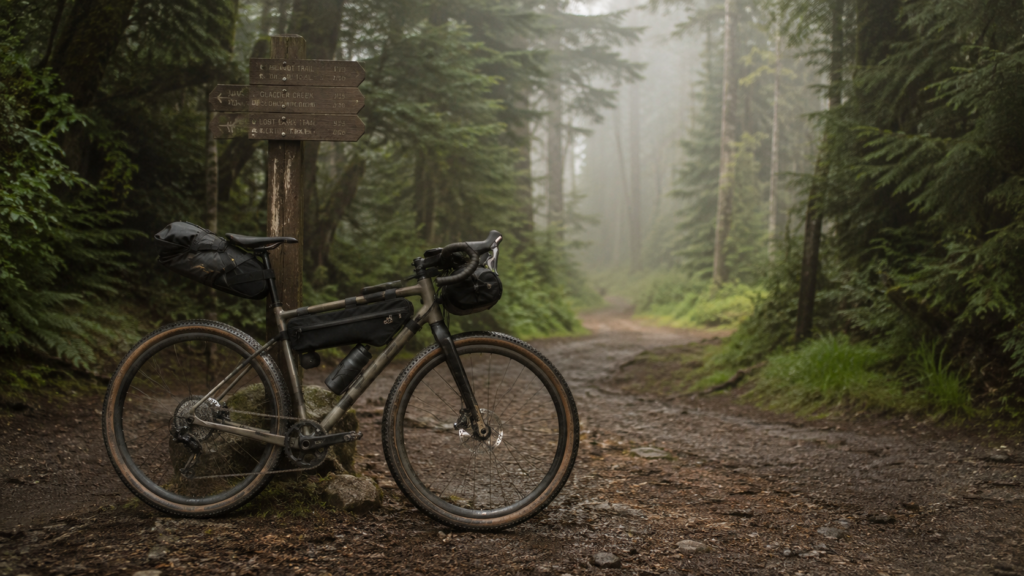
For a model-specific Gravel sourcing review, send the target use, wheel and tire requirement, quantity, destination, component configuration, branding needs, packaging requirements and documentation checklist. Sunremo can then confirm the applicable quotation and project terms.
For open-mold and private-development planning, see our guide on Open Mold vs Private Mold Carbon Bike Frames.


