
Subscribe now & get exclusive bike deals,
new arrivals alerts and pro riding tips!
Cycle green, stay fit, live better.

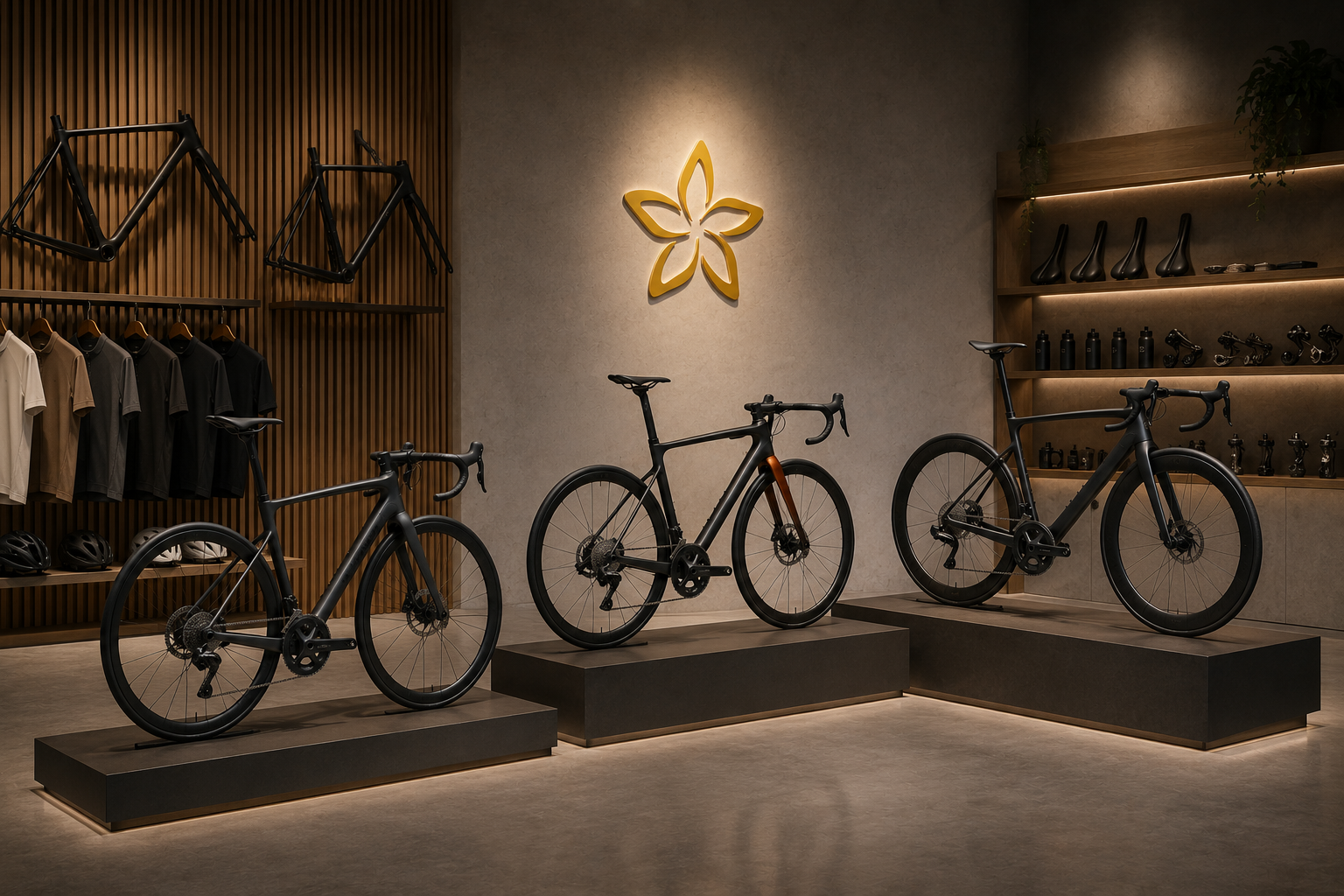
Dealers can build good-better-best carbon bike price tiers by giving each tier a clear customer role, not just a higher price. The good tier should introduce carbon bikes with practical value. The better tier should add meaningful upgrades, such as improved wheels, fit options or category-specific positioning. The best tier should serve premium customers with a stronger performance or brand story. Every tier should be supported by accurate specifications, clear sales language and realistic after-sales expectations.
A good-better-best structure can help customers make decisions, but it can also create confusion if the differences are vague. A higher price should correspond to a clear reason that the customer can understand.
This article supports the carbon bike product line planning guide and should be connected to Sunremo’s bicycle pricing and MOQ page for commercial details.
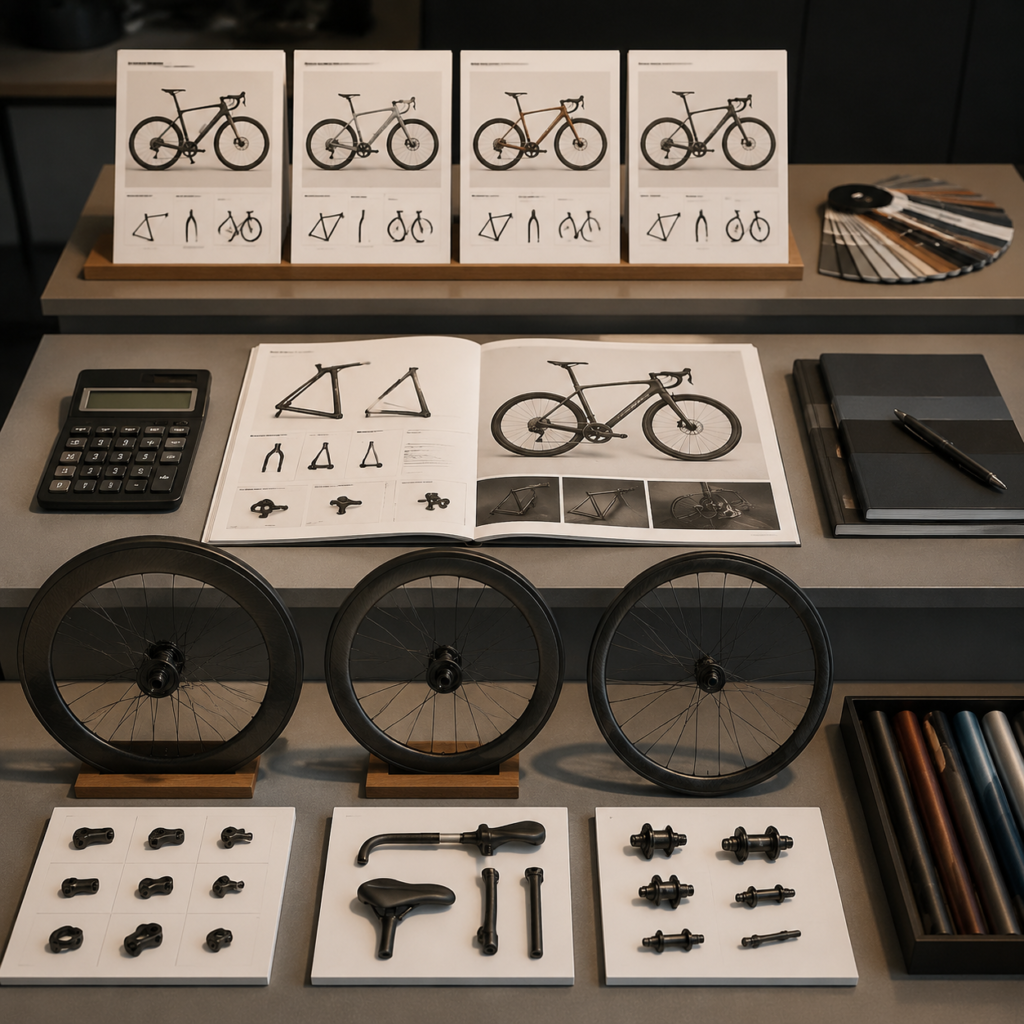
The good tier should introduce the customer to carbon bikes with a clear and practical value story.
Do not make the good tier feel inferior or temporary. It should be a complete and credible option for the right rider.
The better tier should add upgrades that customers can understand.
Use road wheels and gravel wheels as product-category links when wheel upgrades are part of the tier.
The best tier should serve customers who want a premium product story. It may include a high-end complete bike, a custom frameset build, a wheelset bundle or private-label differentiation.
Avoid unsupported claims such as “fastest,” “lightest,” “professional race approved” or “guaranteed performance gain” unless documentation supports them.
| Tier | Buyer Type | Product Strategy | Internal Link |
|---|---|---|---|
| Good | First carbon buyer | Complete bike or practical frameset | Road bikes |
| Better | Upgrade buyer | Bike plus wheelset or refined build | Road wheels |
| Best | Premium or brand-building buyer | Custom build, private-label or premium range | OEM/ODM service |
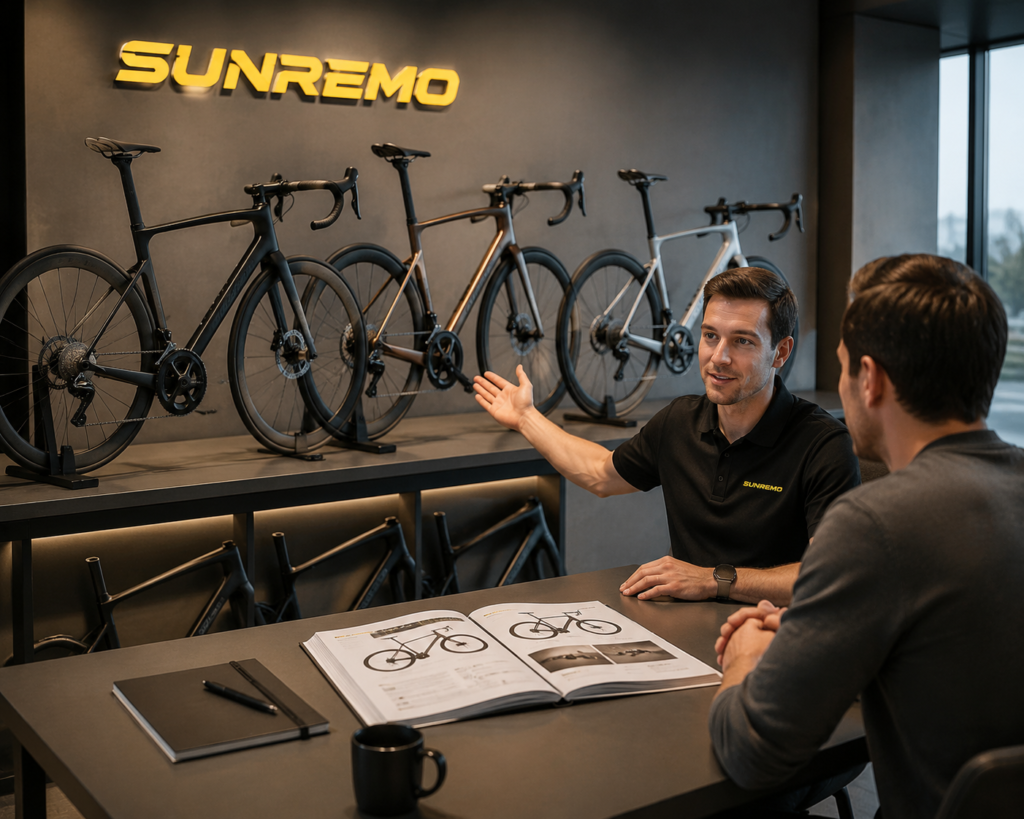
If two bikes answer the same customer need, the customer may only choose based on price. Instead, make the difference functional: comfort, speed positioning, mixed-surface use, upgrade path or private-label brand story.
Each tier should have one primary sentence that staff can remember.
Examples:
Do not stock all tiers equally if customer demand is uneven. Use sample orders and early sales feedback before scaling.
It is a tiered product structure where each level has a clear buyer role and value difference, rather than simply being cheaper or more expensive.
Not always. Some dealers may need only two tiers at first. The tier structure should match customer demand and inventory capacity.
The best tier may include premium complete bikes, custom frameset builds, wheelset bundles or private-label options, as long as claims are supported.
Dealers can reduce discount pressure by giving each tier a clear reason to exist, such as use case, upgrade path or service support.
General pricing strategy can be discussed, but specific MOQ or pricing details should be confirmed through Sunremo’s current commercial process.
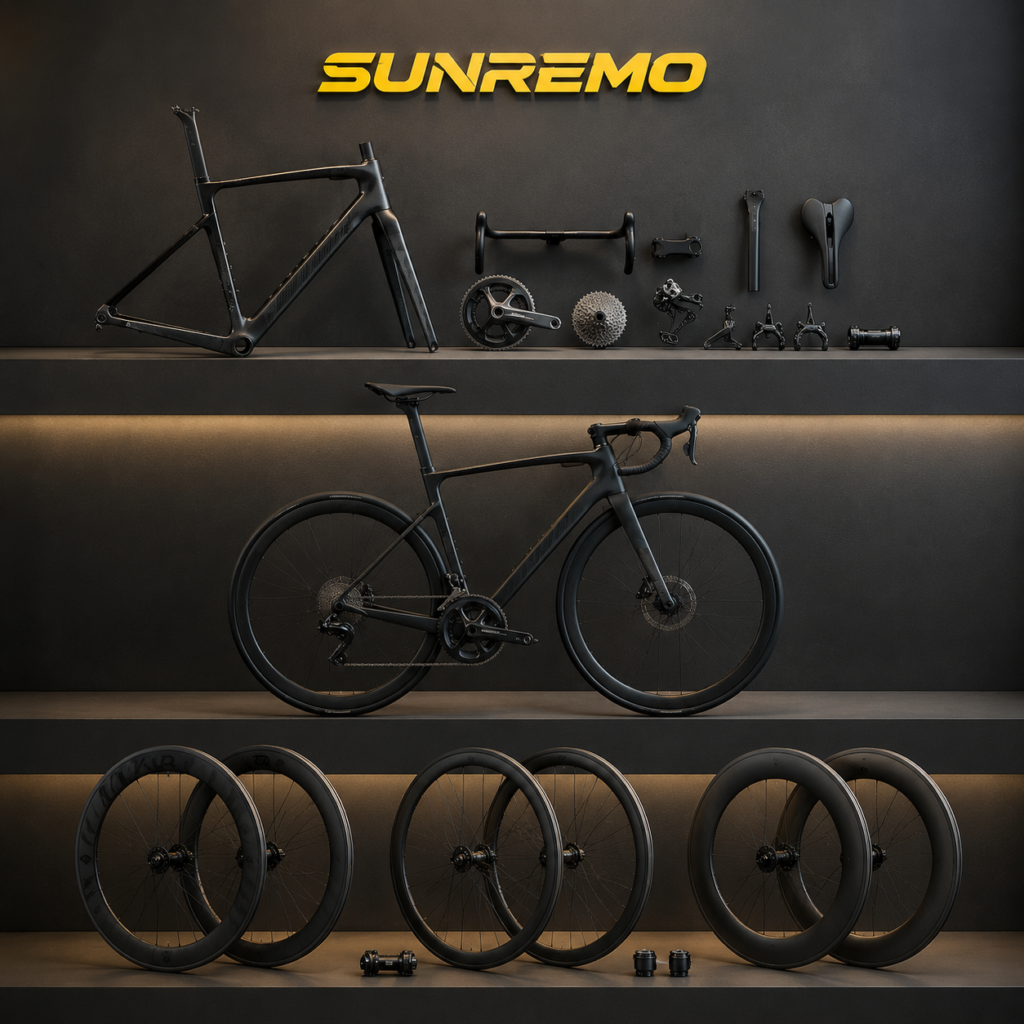
To discuss tier planning and order structure, review bicycle pricing and MOQ and submit your range goals through the B2B survey.


